
Your Cart is Empty
Bonus daughters enter blended families hoping to find their place, but many discover that fitting in feels harder than expected. They watch biological siblings share inside jokes and family memories while they remain on the outside. These girls often question whether they truly belong or if they will always feel like visitors in their own homes.
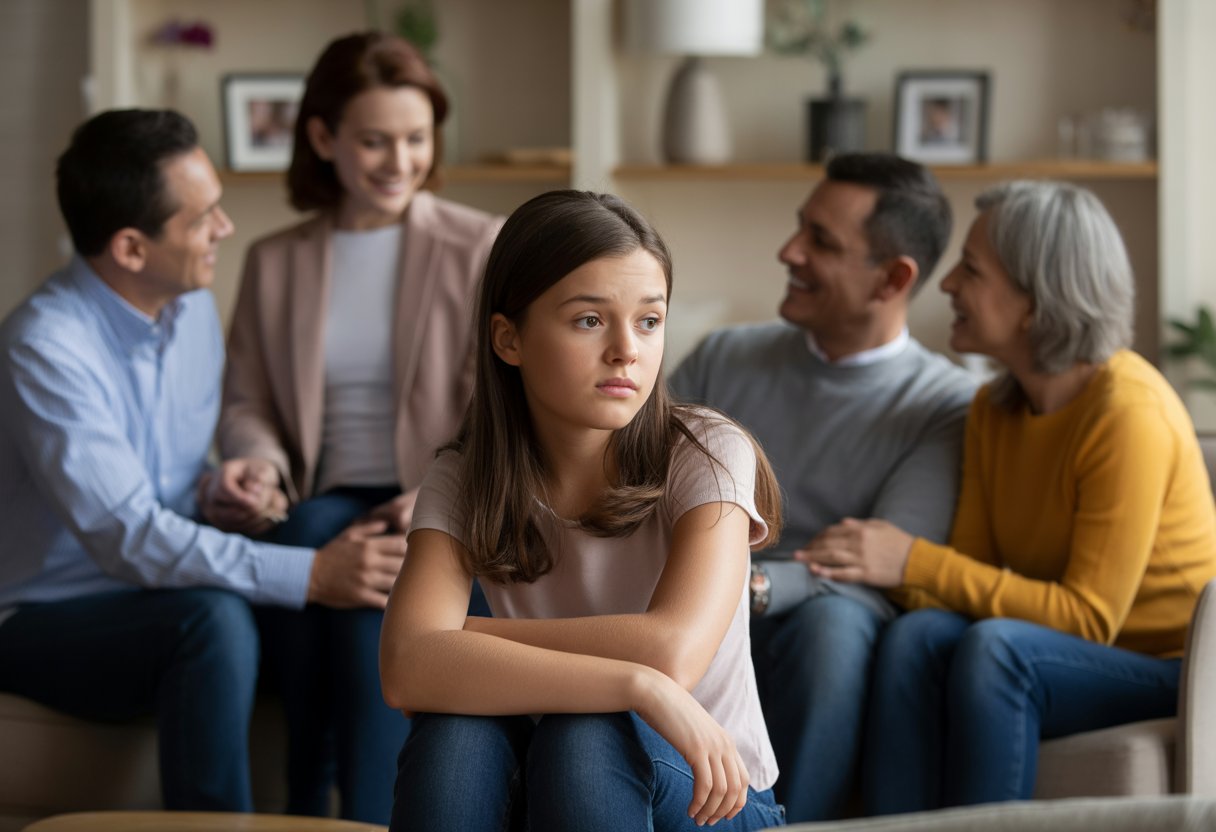
Bonus daughters struggle with belonging because they navigate unclear family roles, face different treatment than biological children, and perform emotional labor that goes unrecognized while trying to build connections in an already established family structure. The feelings of being overlooked affect how they see themselves and shape their relationships with parents, stepparents, and siblings. This struggle extends beyond the home into friendships, school, and their developing sense of identity.
Understanding why bonus daughters often feel invisible helps families make meaningful changes. Tools like journals from Zazzle for processing emotions or books about blended families from Amazon provide support for girls working through these challenges. Recognition and intentional action can help bonus daughters move from feeling invisible to feeling valued.
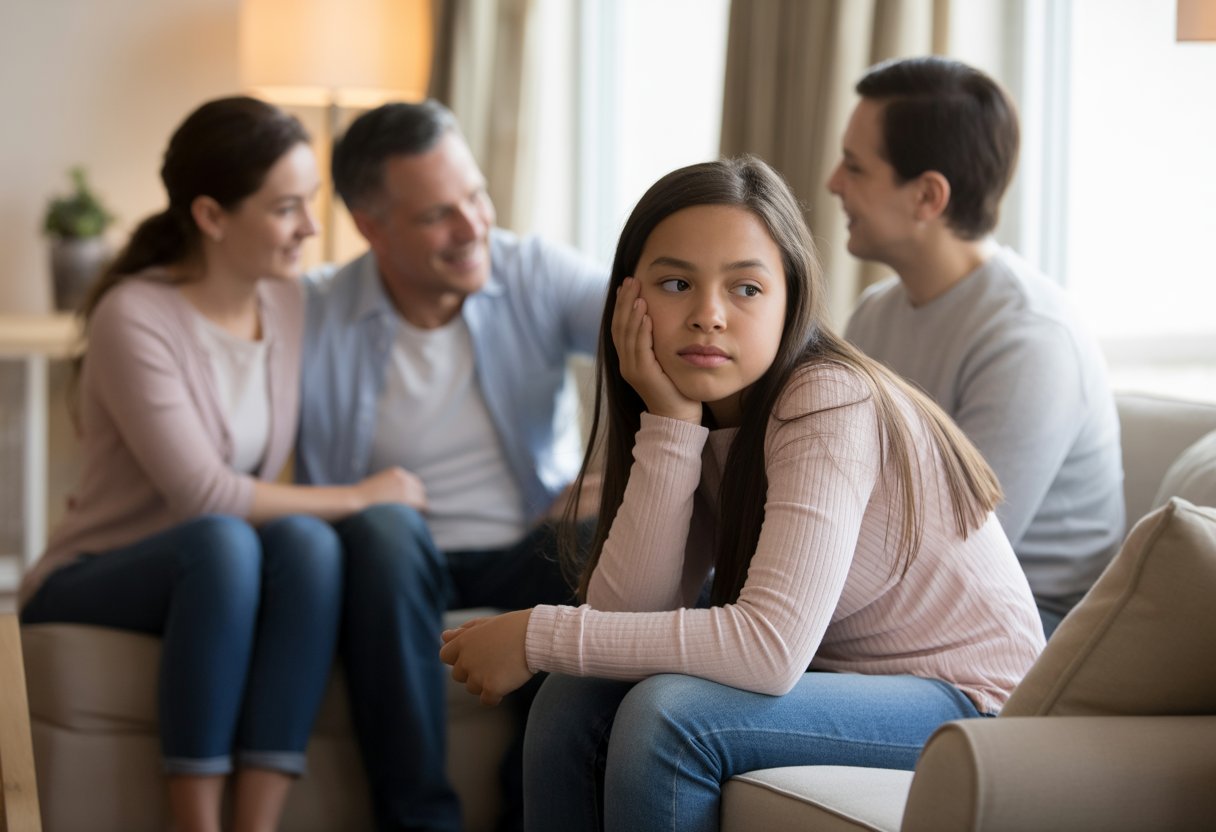
Bonus daughters face specific obstacles that make developing a sense of belonging more complex than in traditional family structures. The challenges stem from navigating relationships that form through choice rather than biology, managing divided loyalties, and finding their place in families with existing histories.
A bonus daughter is a child who joins a family through a parent's new romantic relationship. She becomes connected to a bonus parent who isn't her biological mother or father. This relationship exists within blended families where adults bring children from previous partnerships into new households.
Modern family structures look different than they did decades ago. Divorce rates and remarriage have created millions of blended families across the country. Some bonus daughters split time between two homes while others live primarily in one household.
The dynamics shift based on several factors. A child who meets her bonus parent as a toddler will have a different experience than one who's already a teenager. The relationship between biological parents also affects how comfortable a bonus daughter feels in the new family setup.
Bonus daughters encounter obstacles that biological children don't face. Loyalty conflicts create internal tension when she starts caring about her bonus parent. She might worry that loving her bonus family means betraying her other biological parent.
Common barriers include:
Different rules between households can create confusion about expectations. A bonus daughter might follow one set of guidelines at her biological parent's home and different ones with her bonus family. This inconsistency makes it harder to develop a stable sense of belonging.
Existing relationships in the household can feel exclusionary. When a bonus parent has biological children, a bonus daughter might notice inside jokes or shared memories she wasn't part of creating. These moments highlight her outsider status even when no one intends to cause harm.
Belonging and fitting in represent two different experiences in childhood. Fitting in means changing yourself to match what others expect. Belonging means being accepted exactly as you are.
Many bonus daughters try to fit in by suppressing their authentic personalities. She might hide interests that differ from the family's preferences or stay quiet about her feelings. This approach creates a fragile connection that doesn't provide genuine emotional security.
True belonging requires feeling accepted, valued, and connected without pretending to be someone else. A bonus daughter experiences real belonging when she can express her opinions, share her background, and maintain connections with both biological parents without judgment.
Parents play a critical role in creating an environment where belonging can develop. When bonus parents treat her with the same care as biological children and validate her unique experiences, they build foundations for inclusion. Small consistent actions like celebrating her accomplishments matter more than grand gestures.
The difference shows up in daily interactions. A bonus daughter who fits in might smile and nod during family discussions while keeping her real thoughts hidden. One who belongs speaks up during conversations and trusts that her perspective matters to the family. Creating this security takes time and intentional effort from all family members.
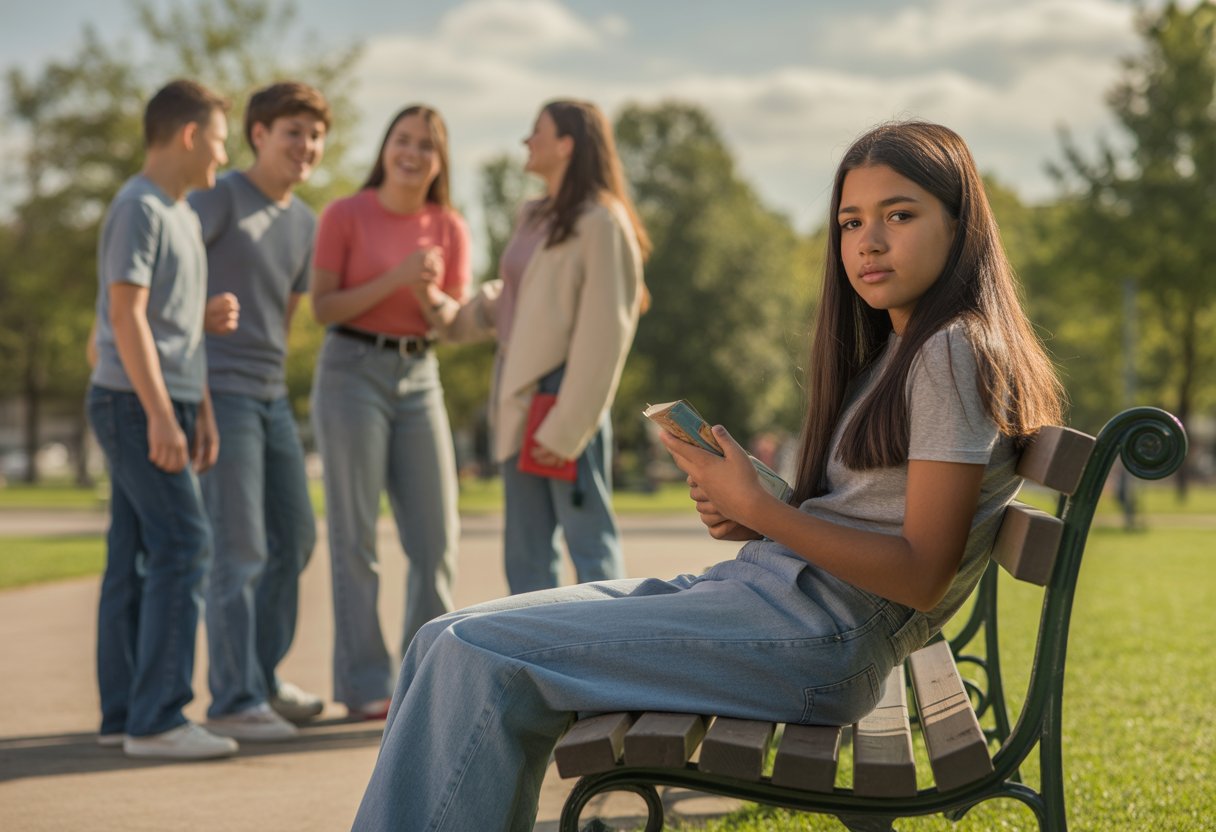
Belonging serves as a protective factor that shapes how teens develop emotionally, perform in school, and maintain their overall health. When adolescents feel connected to peers, family, and community, they show better outcomes across mental health markers, academic measures, and even physical wellness indicators.
The need to belong becomes especially important during adolescence as teens work to figure out who they are and where they fit. This drive isn't just about popularity or having friends. It's a basic human requirement that affects how the brain develops during these years.
The adolescent brain is still building executive functions like planning and impulse control. At the same time, teens become more sensitive to peer approval and social feedback. When they feel excluded or misunderstood, the pain registers as real stress in their bodies and minds.
Bonus daughters face extra challenges in meeting this core need. They navigate multiple households, adapt to new family members, and often question where they truly belong. A personalized gift like a custom stepfamily mug can serve as a small but meaningful reminder of their place in the blended family.
Belonging positively impacts emotional resilience and serves as a key predictor of whether teens develop depression symptoms. When adolescents feel valued and connected, they show lower rates of anxiety, depression, and emotional distress.
Research shows that belonging in adolescence is a fundamental human need that directly affects mental health outcomes. Teens who lack strong connections often experience persistent sadness, withdrawal from activities, and feelings of worthlessness. The opposite is also true—authentic connection leads to improved mood, stronger self-esteem, and better coping skills.
Physical health also improves when teens feel they belong. They sleep better, maintain healthier eating patterns, and show lower stress hormone levels. Books about blended family dynamics can help bonus daughters understand their experiences and build strategies for connection.
Students thrive academically when they feel valued and supported in their school environment. Belonging affects motivation, focus, and willingness to participate in class. Teens who feel connected to their school community earn higher grades and show better attendance patterns.
The link between belonging and academic performance goes beyond test scores. When students feel they belong, they:
For bonus daughters, academic struggles may signal deeper belonging issues at home or school. Family transitions like divorce, relocation, or blending households can disrupt the stability teens need to concentrate on schoolwork. Creating consistent routines and dedicated study spaces in both homes helps bonus daughters feel more grounded and able to focus on their education.
Bonus daughters face unique challenges that stem from family restructuring, complicated relationship dynamics, and formative experiences that shape their sense of identity. These factors combine to create barriers to feeling fully accepted in their blended family environment.
Major family changes disrupt a child's understanding of who they are and where they fit. When parents divorce and remarry, bonus daughters must adapt to new living arrangements, different household rules, and unfamiliar family members. This transition happens during critical periods of identity formation, especially for adolescents who are already navigating questions about themselves.
The process of joining a blended family forces bonus daughters to reconcile multiple versions of family life. They may feel torn between loyalty to biological parents and acceptance of stepparents. This internal conflict makes it harder to develop a stable sense of self.
Research shows that children from underrepresented groups are at risk of belonging uncertainty, and bonus daughters often feel similarly marginalized within their new family structure. They question whether they truly belong in either household.
Identity struggles intensify when bonus daughters compare themselves to stepsiblings or half-siblings. They may wonder if they receive equal treatment or if their place in the family is secure. A journal for bonus daughters can help them process these complex emotions.
Stepfamily relationships introduce complicated power structures and emotional tensions. Bonus daughters navigate relationships with stepparents who lack the history and emotional bond of biological parents. They may resist authority from someone they don't yet trust or accept.
Competition for attention becomes a common issue in blended families. Bonus daughters might feel overlooked when parents focus on new spouses or other children. Childhood experiences in these environments can create lasting patterns of insecurity.
Societal expectations routinely set mothers and daughters up for conflict, and these tensions multiply in stepfamilies. Bonus daughters face pressure to accept and bond with stepmothers while maintaining connections with biological mothers.
Different parenting styles between households create confusion about rules and expectations. What's acceptable at one parent's home may be forbidden at the other. Books about blended family relationships offer guidance for navigating these challenges.
Childhood trauma from divorce or family conflict shapes how bonus daughters approach new relationships. Girls who witnessed parental arguments or experienced emotional neglect develop protective mechanisms that make trusting stepfamily members difficult.
The human emotional need to affiliate with and be accepted by members of a group becomes complicated when early attachments were disrupted. Bonus daughters who experienced inconsistent parenting may struggle to form secure bonds in their blended family.
Unresolved feelings about family separation create emotional barriers. Some bonus daughters blame themselves for the divorce or feel responsible for keeping parents happy. These beliefs interfere with their ability to embrace new family members.
Unloved daughters often grow up with a compromised view of their self-worth, and bonus daughters who felt rejected during family transitions carry similar wounds. Past experiences of abandonment or neglect make them hesitant to invest emotionally in stepfamily relationships.
Bonus daughters face distinct mental health challenges rooted in their uncertain family position. The struggle to find their place creates lasting effects on self-worth, emotional stability, and social connections.
Bonus daughters experience higher rates of depression, anxiety, and low life satisfaction compared to children in traditional family structures. The constant question of "Do I really belong here?" creates a persistent stress response in their bodies and minds.
Chronic loneliness can increase stress levels, weaken the immune system, and lead to depression and anxiety. For bonus daughters, this isn't just occasional sadness. It's an ongoing battle with feeling like an outsider in what should be their home.
Half of college students now have an anxiety disorder. Many bonus daughters develop these patterns earlier, during their formative years when family stability matters most. The uncertainty about their role and value in the blended family structure feeds directly into anxious thoughts and depressive symptoms.
Belonging uncertainty occurs when someone questions whether they're truly accepted in a group or setting. Bonus daughters face this daily in their own homes. They wonder if they measure up to biological children or if their stepparent truly values them.
The struggle to navigate multiple family identities can have profound mental health consequences, including increased anxiety, depression, and isolation. A bonus daughter might feel like she needs to be someone different at mom's house versus dad's house, never fully herself anywhere.
This constant uncertainty damages self-esteem. When a child repeatedly questions their worth and place in the family, they internalize the message that something is wrong with them. They may become overly cautious about expressing needs or sharing feelings, worried that being "too much" will confirm their fears about not belonging.
Many bonus daughters develop perfectionist tendencies as a coping mechanism. They believe that if they're good enough, helpful enough, or quiet enough, they'll finally earn their place. This creates exhausting pressure that further erodes mental health.
Bonus daughters often struggle to explain their family situation to peers, leading to withdrawal from social connections. They might avoid bringing friends home or skip family events where they'd need to introduce their "stepfamily." This social isolation reduces feelings of connection and belonging.
The effects compound over time. Social contact and support help people combat symptoms of stress, anxiety, depression, and other mental health issues. When bonus daughters isolate themselves, they lose access to this protective factor right when they need it most.
Emotional well-being requires feeling safe to express the full range of human emotions. Bonus daughters frequently suppress their true feelings to keep peace in the household or avoid seeming ungrateful. This emotional suppression creates internal tension that manifests as physical symptoms, mood swings, or explosive outbursts.
Signs of declining emotional well-being include:
Creating space for bonus daughters to express themselves without judgment helps rebuild their emotional foundation. Resources like personalized journals for bonus daughters or books about blended family dynamics provide outlets for processing complex emotions.
Bonus daughters face unique challenges in peer relationships, from managing social hierarchies at school to coping with rejection that can affect their academic achievement and emotional health. These struggles often intensify during the teen years when fitting in feels most important.
Social hierarchies in schools create pressure for bonus daughters who already feel uncertain about their place in their blended family. Teens navigate complex social and moral orderings that justify exclusion of certain peers. A bonus daughter may feel she needs to prove herself twice as much to gain acceptance.
High school brings heightened awareness of status and belonging. Bonus daughters might struggle to explain their family situation to classmates, leading them to avoid social situations entirely. They may worry that peers will judge them for having a stepparent or stepsiblings.
The pressure to conform can push bonus daughters toward risky behaviors or friendships that don't serve them well. They might change how they dress, talk, or act to fit in with a particular group. This constant adaptation can drain their energy and make it harder to focus on academics.
Social exclusion and peer rejection can lead to depression and other negative outcomes for emotional and behavioral health. Bonus daughters who experience rejection may withdraw further, creating a cycle that reinforces their isolation. Research shows that children who face peer rejection often become more socially withdrawn over time.
The effects extend beyond feelings. Academic achievement can suffer when a bonus daughter feels excluded at school. She may skip classes, avoid group projects, or struggle to concentrate on homework while dealing with social stress.
Negative effects of social exclusion are particularly high during adolescence, when teens actively seek peer approval. Bonus daughters might experience both interpersonal rejection based on perceived social deficits and intergroup exclusion based on stereotypes about blended families. Some peers may hold biased views about stepfamilies that lead to unfair treatment.
Schools present daily challenges for bonus daughters trying to establish their identity. Simple activities like filling out forms that ask about parents can trigger discomfort. Extracurricular activities and sports teams offer opportunities to build connections, but they can also highlight differences in family support and resources.
A personalized "Bonus Daughter" tote bag can serve as a conversation starter and help her embrace her unique family role with pride. Small gestures like this remind her that her family structure is valid.
Building emotional resilience helps children navigate friendships and social challenges more effectively. Bonus daughters benefit from having at least one trusted friend who accepts their family situation without judgment. Quality matters more than quantity when it comes to peer relationships.
Books about blended families, like "The Smart Stepmom", provide insights that help bonus daughters understand they're not alone in their experiences. Reading about others in similar situations can reduce feelings of isolation and provide practical strategies for handling social situations.
Bonus daughters face unique challenges in developing their sense of self because they must integrate multiple family identities while figuring out who they are as individuals. The pressure to fit in with new family dynamics can make it harder for them to pursue authentic self-discovery and build the resilience needed for healthy identity development.
Bonus daughters often feel caught between being their true selves and adapting to fit their blended family's expectations. This tension makes identity exploration particularly challenging during adolescence.
Many bonus daughters suppress their authentic interests or opinions to avoid conflict. They might hide hobbies their stepfamily doesn't value or change their behavior to match what they think will make them more accepted.
Common authenticity struggles include:
The cost of constant conformity shows up in self-awareness problems. When bonus daughters regularly ignore their own preferences, they lose touch with what they actually want and need. A journal from Amazon can help them track genuine feelings and build stronger self-knowledge.
Social media adds another layer of complexity to identity development for bonus daughters. They see curated images of perfect blended families while struggling with their own reality.
Platforms like Instagram and TikTok expose bonus daughters to constant comparison. They measure their blended family experience against idealized portrayals and often feel their situation falls short. This comparison can damage developing self-esteem.
Social media pressures include:
The public nature of social media makes self-discovery more complicated. Bonus daughters may perform a version of themselves online that doesn't match their internal experience. Custom family gifts from Zazzle can celebrate authentic family bonds offline.
Building resilience helps bonus daughters navigate identity challenges without losing themselves in the process. Self-awareness acts as the foundation for this resilience.
Bonus daughters who develop strong self-awareness recognize their emotions without being controlled by them. They can identify when they're conforming out of fear versus genuine choice. This awareness creates space for authentic decisions.
Practical resilience-building strategies include naming difficult emotions, setting small personal boundaries, and connecting with others who understand blended family life. Each small step builds confidence in their ability to handle complex situations.
The motivation to discover authentic identity grows stronger when bonus daughters see examples of others successfully navigating similar challenges. Support groups and counseling provide safe spaces where they can explore who they are without pressure to conform.
Bonus daughters often face unique challenges in forming secure attachments within blended families, particularly when seeking parental approval becomes complicated by multiple parental figures. The quality of emotional support they receive and their ability to trust new family members directly impacts their sense of belonging.
Children naturally seek approval from their parents as a foundation for developing self-worth. When a bonus daughter enters a blended family, she may struggle to understand whose validation matters most.
Her biological parent remains a primary source of emotional security. However, the introduction of a stepparent creates confusion about where to direct her need for acceptance. She might feel disloyal seeking approval from a bonus parent while simultaneously craving their acceptance.
Excessive validation seeking can signal deeper emotional challenges. Bonus daughters may compensate for feelings of displacement by working harder to earn praise from both biological and stepparents. This constant effort to please everyone leaves little room for authentic self-expression.
The impact of critical parenting becomes amplified in blended families. When a bonus daughter receives mixed messages about her worth from different parental figures, she struggles to develop stable self-esteem. Consistent emotional support from all adults helps build her confidence and sense of security.
Trust develops slowly in blended families, especially for children who experienced divorce or loss. A bonus daughter may hesitate to form close bonds with a stepparent out of fear of another abandonment or betrayal.
Her attachment style often reflects her early childhood experiences. If her biological parents' relationship ended traumatically, she might approach new family relationships with caution. She watches for signs that this new family structure might also fall apart.
Common trust barriers include:
Building emotional resilience requires time and patience. Bonus daughters need space to process their feelings without pressure to immediately accept new family members. Rushed expectations for closeness often backfire and strengthen resistance.
Thoughtful gifts to my daughter can sometimes help bridge emotional gaps when words fall short. Small gestures of understanding matter more than grand declarations during this adjustment period.
The ambiguity of roles in blended families creates stress for bonus daughters. She must figure out how to relate to a stepparent who lacks clear authority yet shares her living space.
Family expectations often remain unspoken, leaving bonus daughters to guess at appropriate behavior. Should she call her stepparent by their first name or a parental title? How much influence should this person have over her daily life? These questions lack universal answers.
Adult relationships in the household set the tone for children's adjustment. When biological parents and stepparents communicate effectively and present united expectations, bonus daughters feel more secure. Conflict between adults amplifies her anxiety about her place in the family.
She also navigates relationships with stepsiblings, which adds another layer of complexity. Competition for attention and resources can strain these bonds. Clear household rules and fair treatment help reduce resentment.
The bonus daughter benefits when adults honor existing parent-child bonds rather than trying to replace them. Stepparents who respect her relationship with her biological parents earn trust more quickly. This approach reduces the internal conflict she feels about divided family loyalties.
Bonus daughters who struggle with belonging often carry emotional wounds into adulthood that shape how they see themselves and navigate relationships. These effects can manifest in damaged self-worth, patterns of self-sabotage, and difficulties with emotional regulation that persist for years.
The experience of feeling like an outsider in a blended family can create deep-seated beliefs about personal value. Self-worth is the belief that a person has value and is worthy of love and belonging, and bonus daughters who grew up without consistent validation often develop a compromised view of their own worth.
These women frequently struggle to accept compliments or positive feedback. They may dismiss achievements or feel uncomfortable when recognized, fearing they don't truly deserve praise. This skepticism stems from years of not receiving the affirmation needed during childhood.
Many bonus daughters also experience excessive self-reliance as adults. While independence seems positive, it can prevent them from asking for help or trusting others with their needs. They learned early that they couldn't depend on emotional support from their family system.
Women who grew up feeling unloved might overachieve, constantly striving for perfection and success to prove their worth, or they might underachieve, hindered by their low self-esteem and fear of failure. This split reflects two common coping strategies bonus daughters adopt.
Some become perfectionists who try to control every aspect of their environment and relationships. They believe that being perfect will finally earn them the acceptance they were denied. Others sabotage relationships that get too close, protecting themselves from potential abandonment or betrayal.
Emotional detachment serves as another protective mechanism. Bonus daughters may appear cold or uninterested in relationships, but this detachment helps them cope with unresolved fears about being unloved. They might also overcompensate by becoming excessive caregivers, neglecting their own needs while trying to please everyone around them.
Common self-destructive patterns include:
Recovery begins with recognizing how early family experiences shaped current behaviors and beliefs. Professional therapy provides a safe space to explore feelings, understand patterns, and develop healthier emotional responses. A therapist who specializes in childhood trauma and family dynamics can offer targeted guidance.
Self-compassion practices help counter the harsh inner criticism many bonus daughters internalized. Mindfulness and meditation teach them to treat themselves with kindness. Setting and achieving realistic goals can significantly boost self-esteem and foster a sense of control.
Building support networks with friends or support groups who understand their experiences combats the isolation that accompanies feelings of unworthiness. Activities that promote self-discovery, such as journaling with a personalized journal from Zazzle or creative arts, help bonus daughters reclaim their identity and express feelings constructively.
Personal growth requires active work on self-acceptance. This means acknowledging past wounds while refusing to let them define future potential. Books on healing from childhood emotional neglect available on Amazon offer additional tools for understanding and processing these experiences.
Bonus daughters need specific support to build connections in blended families. Creating safe spaces, seeking professional help, and developing self-awareness practices can address the unique challenges they face.
An inclusive environment starts with intentional actions from all family members. Parents should establish clear family rituals that include the bonus daughter from the beginning. This might include weekly family dinners, game nights, or traditions that honor both her background and her new family structure.
Physical space matters too. Giving a bonus daughter her own room or designated area shows she has a permanent place in the home. Decorating that space with items that reflect her personality helps her feel valued. A personalized throw pillow or wall art can make the space truly hers.
Key practices include:
Adults must also address exclusion quickly. When siblings or extended family members treat the bonus daughter differently, parents need to intervene immediately and set boundaries.
Professional support helps bonus daughters process complex emotions about their family structure. A psychologist or licensed counselor trained in family systems can provide tools to navigate loyalty conflicts and identity questions.
Therapy offers a neutral space where bonus daughters can express feelings they might hide from family members. Many struggle with guilt about loving a stepparent or feeling disloyal to their biological parent. A therapist helps them understand these feelings are normal.
Trauma-informed care is especially important for bonus daughters who experienced divorce, loss, or family conflict. This approach recognizes how past experiences shape current behaviors and relationships. Therapists using this method avoid re-traumatizing children while building trust.
Family counseling sessions can also improve communication between all household members. These sessions teach conflict resolution skills and help parents understand their bonus daughter's perspective. Some families benefit from regular check-ins with a family therapy workbook between professional sessions.
Journaling gives bonus daughters a private outlet for complex feelings about their blended family. Writing without judgment helps them process emotions like jealousy, confusion, or sadness that feel too risky to share aloud. Regular journaling builds self-awareness and tracks emotional patterns over time.
Effective journaling prompts include:
Mindfulness practices help bonus daughters stay grounded when family dynamics feel overwhelming. Simple techniques like deep breathing or body scans reduce anxiety and create emotional distance from difficult situations. Even five minutes of daily mindfulness can improve emotional regulation.
These practices work best when bonus daughters choose methods that feel natural to them. Some prefer guided meditation apps, while others connect better through movement-based practices like yoga. The goal is building self-connection that strengthens their sense of identity regardless of family structure.
Schools and community spaces play a major role in helping bonus daughters build connections and feel valued. Creating an inclusive environment requires active participation from educators, counselors, and activity leaders who understand the unique challenges these girls face.
Teachers and school counselors serve as key adults who can recognize when a bonus daughter struggles with belonging. These professionals need training to understand blended family dynamics and how they affect students.
School counselors can create safe spaces where bonus daughters discuss family transitions without judgment. They can also connect these students with peer support groups or help children who feel like they don't fit in find their place.
Teachers should avoid assumptions about family structures during classroom activities. Instead of asking students to create traditional family trees, they can offer flexible projects that honor all family types. Simple actions like using inclusive language and recognizing different family structures help bonus daughters feel seen and accepted in the classroom.
Social connection directly impacts a bonus daughter's wellbeing and academic success. Schools can reduce isolation by creating opportunities for meaningful peer interaction beyond standard classroom time.
Structured activities like lunch clubs, study groups, or buddy programs help bonus daughters form friendships naturally. These settings allow girls to connect over shared interests rather than family backgrounds.
Teachers can also facilitate connection through collaborative learning projects that build trust between classmates. When students work together toward common goals, they develop the sense of connection that reduces loneliness and builds confidence in their social abilities.
Extracurricular activities offer bonus daughters chances to explore interests and develop skills outside family dynamics. Sports teams, art classes, drama clubs, and volunteer groups create communities where girls contribute and feel needed.
Activity leaders should make these spaces welcoming by clearly stating that all students belong regardless of their background. A personalized coffee mug from Zazzle or team gear helps girls feel like official members of their group.
Parents can support participation by ensuring bonus daughters have necessary supplies. Items like backpacks and activity-specific equipment remove barriers to involvement.
Community programs should also train leaders to recognize and address exclusion. When bonus daughters see themselves represented and valued in activities, they develop stronger identities beyond their family roles.
Bonus daughters can build strong self-esteem and emotional well-being through intentional steps that honor their unique identity while creating meaningful connections in blended family settings.
A bonus daughter's sense of self develops when she can express who she is without pressure to choose sides or hide parts of herself. She benefits from spaces where both her biological family history and her blended family experiences receive equal validation.
Parents can support this by encouraging her interests and passions regardless of which household they originated from. When she wants to display photos from both families in her room, this shows healthy integration rather than divided loyalty.
Key identity-building practices include:
Her emotional well-being strengthens when adults acknowledge that she can love multiple parental figures without diminishing any relationship. This authentic approach builds self-esteem that carries into her teenage and adult years.
Emotional health requires regular check-ins and safe spaces for bonus daughters to express complex feelings. She may experience grief, confusion, or joy all within the same day as she navigates multiple households and family structures.
Counseling or support groups designed for children in blended families provide valuable outlets. These settings let her connect with peers facing similar belonging challenges and learn that her experiences are normal.
Daily practices that support wellbeing include consistent routines across both homes when possible and predictable transition schedules. A personalized journal from Zazzle gives her a private space to process emotions between households.
Parents should watch for signs of stress including changes in sleep patterns, withdrawal from activities, or declining school performance. Professional support becomes essential when struggles with identity and belonging interfere with daily functioning.
Belonging needs change as bonus daughters grow from childhood through adolescence and into adulthood. Elementary-age children need concrete reassurance through family rituals and traditions that include them fully.
Teenagers require more autonomy in deciding how they participate in blended family activities. They may need flexibility to attend events at one household while maintaining commitments at another without guilt or pressure.
Age-appropriate belonging strategies:
| Life Stage | Primary Needs | Supportive Actions |
|---|---|---|
| Elementary | Stability and routine | Consistent bedtimes, shared meals, family game nights |
| Middle School | Peer connections | Supporting friendships across both households |
| High School | Independence | Respecting scheduling preferences, college planning input |
| Young Adult | Autonomy | Including her in family decisions, validating her choices |
Creating strong connections through meaningful activities builds lasting bonds. Books about blended families available through Amazon offer conversation starters for different age groups.
Long-term belonging develops when bonus daughters see themselves reflected in family stories, future plans, and everyday moments. Her self-esteem grows strongest in environments where she feels genuinely valued rather than simply accommodated.
Bonus daughters face unique challenges when navigating family dynamics, from early childhood experiences to complex maternal relationships that shape their sense of acceptance and worth.
Emotional neglect creates lasting wounds that affect how bonus daughters connect with their blended families. When a child's emotional needs go unmet, she learns that her feelings don't matter. This early pattern makes it harder for her to trust new family members or believe she deserves their attention.
The brain develops based on early experiences. A bonus daughter who experienced neglect may struggle to form secure attachments in her new family structure. She might pull away from stepparents or stepsiblings because past experiences taught her that reaching out leads to disappointment.
These daughters often carry invisible barriers into their bonus families. They may seem distant or resistant to connection, not because they don't want to belong, but because their early experiences trained them to protect themselves. The pursuit of belonging can become a false one when girls compromise their authentic selves to gain acceptance.
Bonus daughters who feel unwanted often withdraw from family activities. They might spend excessive time alone in their rooms or make excuses to avoid family gatherings. This isolation serves as both a symptom and a protective measure.
Changes in behavior signal deeper struggles with belonging. A bonus daughter might stop sharing details about her life, give short answers to questions, or seem emotionally flat during family time. She may also compare herself unfavorably to biological children in the household.
Physical symptoms can accompany emotional distress. Headaches, stomachaches, and sleep problems often appear when a child feels she doesn't fit in. Academic performance may decline as her emotional struggles take up mental energy she once used for schoolwork.
Some bonus daughters try too hard to earn approval. They might become overly helpful, never express disagreement, or constantly seek validation from adults. This behavior shows they don't feel secure in their place within the family.
The mother-daughter bond sets the template for how girls understand relationships. When a bonus daughter has a strained relationship with her biological mother, she may approach her stepmother with suspicion or resistance. Past hurt makes it difficult to trust maternal figures.
Competition and comparison poison belonging in blended families. If a biological mother speaks negatively about the stepmother, the bonus daughter faces impossible loyalty conflicts. She may feel she betrays one mother by connecting with the other.
Helping daughters navigate friendships requires addressing these core relationship patterns. A bonus daughter who watches her biological siblings receive different treatment from a stepmother will naturally question her value. These observations confirm fears that she doesn't truly belong in the new family structure.
Communication styles between mothers and daughters create either bridges or barriers. When stepmothers and bonus daughters struggle to understand each other's needs, small misunderstandings grow into larger rifts. The bonus daughter may interpret neutral comments as rejection while the stepmother remains unaware of the hurt she's causing.
Eldest bonus daughters often carry extra pressure to set examples and maintain peace. They feel responsible for making the blended family work, even though this burden shouldn't rest on a child's shoulders. This pressure can drive them toward perfectionism as they try to earn their place.
The quest for perfection becomes a survival strategy. An eldest bonus daughter might believe that if she's good enough, helpful enough, or accomplished enough, she'll finally feel like she truly belongs. She takes on adult responsibilities and suppresses her own needs to avoid causing problems.
This role leaves little room for authentic self-expression. The eldest bonus daughter learns to read the room and adjust her behavior to keep everyone comfortable. Over time, she loses touch with who she really is beneath the performance.
Perfectionism also creates isolation. Other children in the family may resent the eldest bonus daughter's apparent success or feel they can't measure up to her standards. Meanwhile, she feels exhausted and alone, working hard to maintain an image that never quite earns her the belonging she craves.
Open communication forms the foundation for healing strained relationships. Stepmothers and bonus daughters need regular one-on-one time to talk without other family members present. These conversations should focus on understanding rather than fixing or defending.
Creating shared experiences builds connection naturally. Working on a Mother's Day project together or developing a shared hobby gives the relationship positive memories to build upon. These activities work best when they match the bonus daughter's interests rather than forcing participation in activities she dislikes.
Both parties must acknowledge past hurts without dwelling in blame. A stepmother might say, "I see that I've hurt you, and I want to understand what happened from your perspective." The bonus daughter needs space to express feelings without fear of punishment or dismissal.
Consistency matters more than grand gestures. Small, reliable acts of care teach a bonus daughter that she can trust her stepmother's commitment. Showing up for important events, remembering details about her life, and following through on promises all contribute to building security.
Professional support can guide families through difficult conversations. A therapist who specializes in blended families helps both parties understand their patterns and develop healthier ways of relating. Attachment-based therapy provides tools for building genuine connection and self-acceptance.
Under-mothered bonus daughters struggle with chronic feelings of emptiness. They watch other children receive maternal warmth and wonder why they're different. This comparison reinforces beliefs that something is wrong with them rather than recognizing gaps in their care.
Self-worth becomes tied to external validation. An under-mothered daughter constantly seeks approval because she never developed an internal sense of value. She may achieve impressive accomplishments yet still feel hollow inside because achievements can't fill the void left by inadequate mothering.
Research shows one in five Americans suffers from chronic loneliness, with young people experiencing particularly high rates of anxiety related to connection and belonging. Under-mothered daughters often fall into this category as they struggle to form secure relationships throughout their lives.