
Your Cart is Empty
You buy a small candle and suddenly your morning coffee feels different. You pick up a specific mug and the whole routine shifts into something you look forward to. Tiny ritual purchases feel surprisingly meaningful because they transform ordinary moments into intentional acts that anchor us emotionally, creating stability and connection in our daily lives.
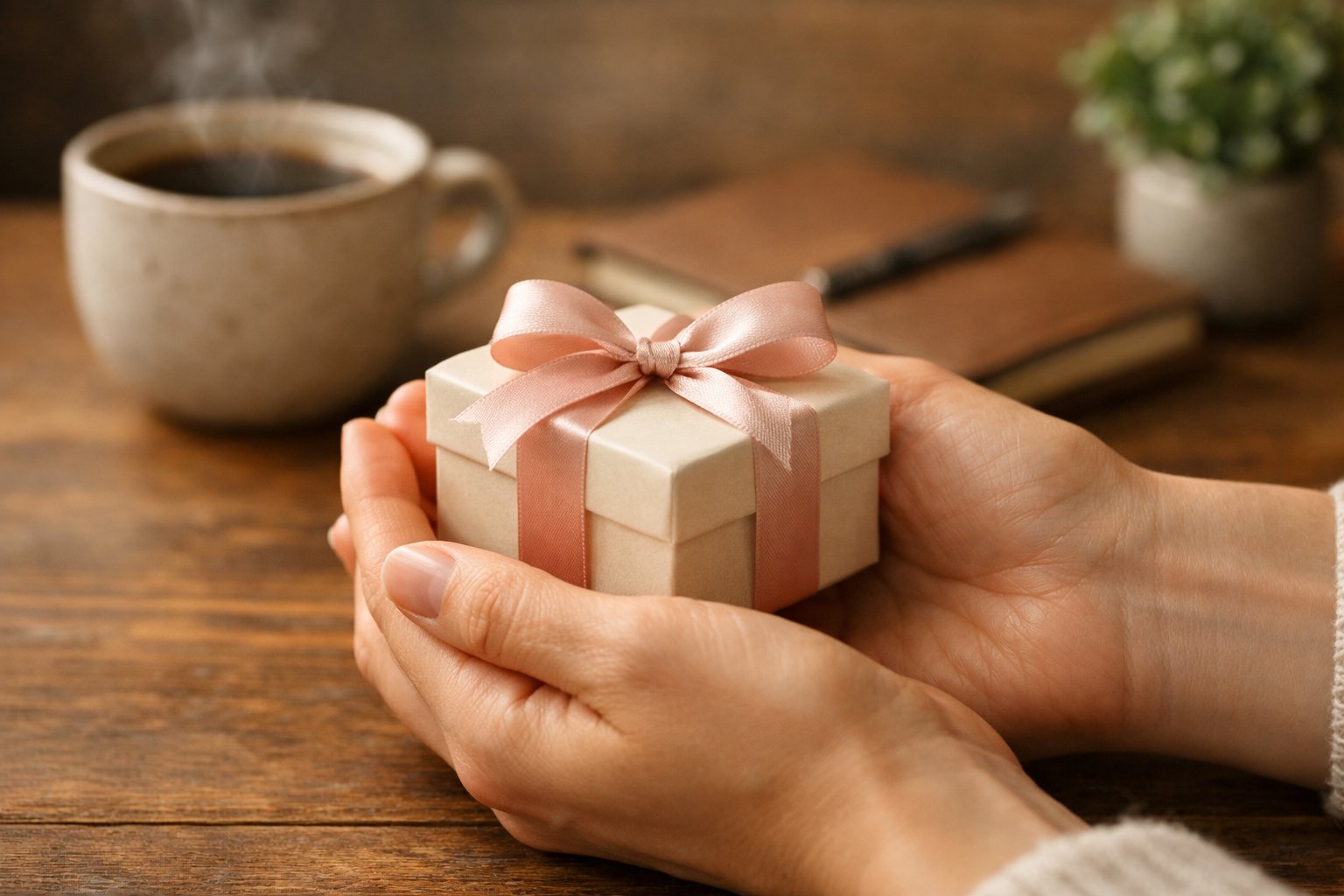
These aren't big investments or grand gestures. They're the small daily practices that create big shifts in how we experience our days. A journal that sits on your nightstand. A tea infuser that turns an afternoon break into a pause worth taking. The purchase itself matters less than what it represents—a commitment to showing up for yourself in small, repeated ways.
What makes these purchases feel different from other things we buy is their relationship to routine. While most shopping delivers a quick hit of satisfaction that fades, ritual purchases build meaning over time. They become part of how we regulate our days and create moments that feel deliberate rather than automatic. A personalized necklace worn every morning becomes a quiet reminder of what matters. If you want something that marks a daily transition without feeling overly sentimental, a piece like this keeps the gesture simple but intentional. You can find options that fit your style there. Or consider customizable mugs that turn a basic morning routine into something you chose on purpose. It works for anyone who wants their mornings to feel less rushed and more their own. You can personalize one here.
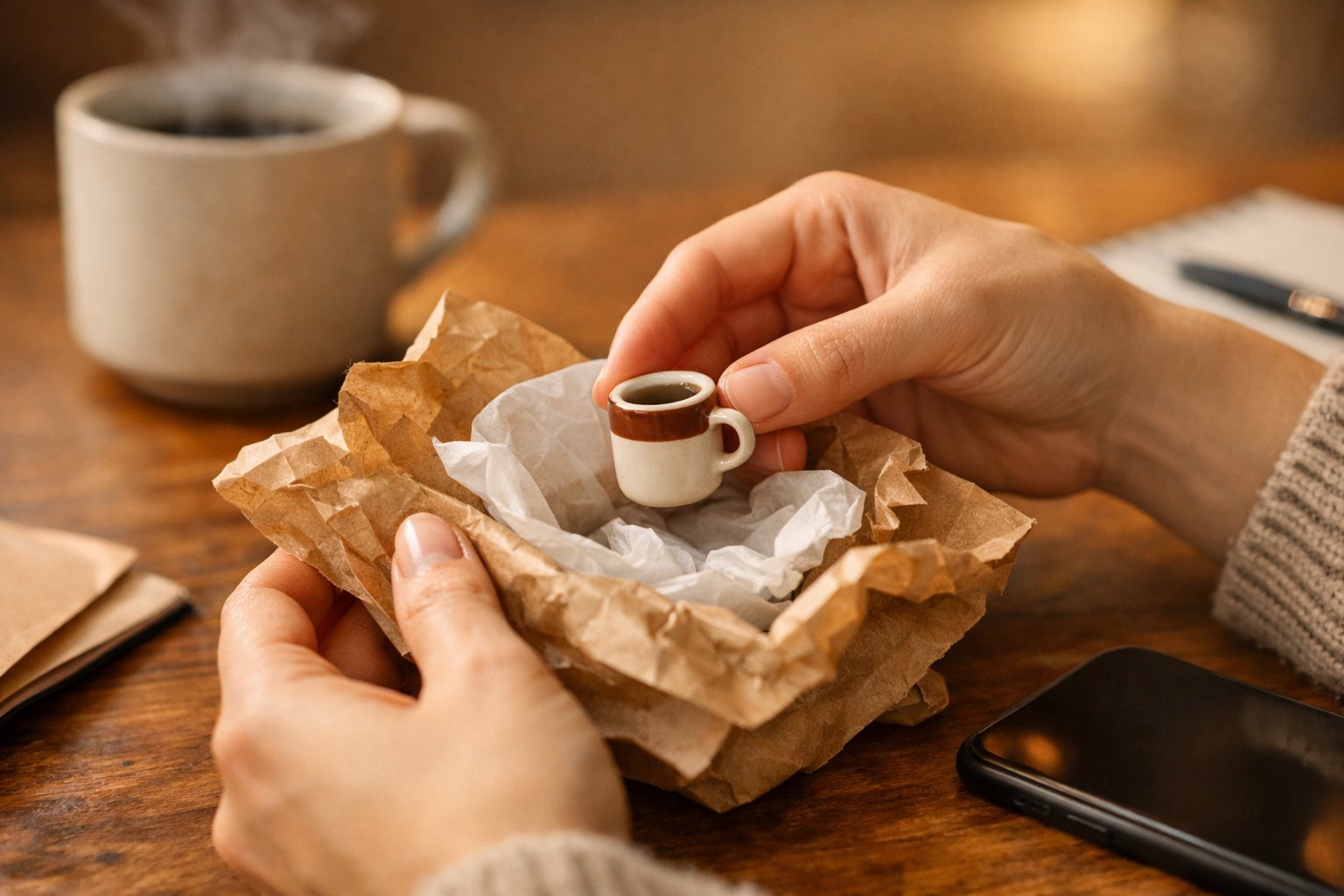
Small purchases tied to personal rituals often carry more emotional weight than their price tag suggests. The repetition itself builds meaning, and the objects become anchors rather than just things.
When someone buys a small item specifically for a ritual, the transaction shifts from consumption to intention. A simple mug becomes the vessel for morning coffee that marks the start of each day. A journal becomes the place where thoughts settle before sleep.
Rituals help shape emotions in ways that ordinary habits don't. The difference lies in presence. She's not just drinking coffee. She's creating a moment where the day officially begins.
These purchases often feel meaningful because they're chosen with awareness. The act of selecting something for a specific repeated use creates connection before the ritual even starts. A personalized item, like custom jewelry, carries that intention forward each time it's worn.
If the ritual involves something worn daily, the physical reminder grounds her in that repeated practice. You can personalize it here.
The first time someone uses an item, it's just an object. The tenth time, it starts to accumulate associations. The hundredth time, it holds memories.
Research shows rituals increase happiness and meaning precisely because they're repeated. Each use layers new emotional context onto the previous one. The candle lit every Sunday evening becomes linked to rest. The pen used only for gratitude journaling becomes tied to reflection.
This is the ritual effect in action. What starts as a simple action transforms into something that carries emotional significance. The object itself becomes part of the practice, not separate from it.
A handmade leather journal might serve this purpose for someone building a writing ritual. The texture and weight make the act of opening it feel deliberate.
Impulse purchases often feel hollow within days. Ritual purchases tend to feel more valuable over time. The difference isn't price or quality. It's purpose.
When she buys something for a ritual, she's not chasing a feeling. She's building a structure that supports one. The item becomes an emotional anchor that signals a shift in mental state or marks a transition in the day.
A splurge offers temporary excitement. A ritual object offers ongoing connection. One fades. The other deepens. The purchase becomes meaningful not because of what it is, but because of what it facilitates.
Someone creating a morning tea ritual might choose a personalized mug that feels right in her hands. The ritual makes the object significant, and the object reinforces the ritual.

Rituals carry emotional weight that habits don't, and that difference shapes how people experience even the smallest purchases. When someone chooses an object to mark a moment or create intention, they're not just buying a thing—they're building a practice that anchors meaning in daily life.
Habits are automatic behaviors done without much thought, like checking a phone or brushing teeth. Rituals are different. They require intention and awareness.
A person might drink coffee every morning out of habit. But when she pours it slowly, notices the warmth of the cup, and takes a quiet moment before her day begins, that becomes a ritual. The action stays the same, but the experience changes completely.
The science of rituals shows these moments rewire the brain for calm and meaning. When someone repeats an intentional action, neural pathways strengthen. The brain starts recognizing these moments as safe spaces. Anxiety drops because the prefrontal cortex—the part responsible for rational thinking—activates during structured, repetitive actions.
Small rituals also trigger dopamine and serotonin, chemicals linked to motivation and well-being. A candle lit at the same time each evening or a specific mug used for morning tea becomes more than an object. It becomes part of how someone regulates their nervous system.
The distinction between routine and ritual comes down to presence. Routines get things done. Rituals create connection to the moment.
Someone might notice this shift when she starts using a particular notebook for evening reflections instead of jotting notes anywhere. Or when she lights a small candle before sitting down to read. If she wants something that marks the transition from work to rest without feeling overly formal, a simple object like this keeps the practice grounded. She can find personalized options here.
The shift doesn't require elaborate planning. It starts when someone brings awareness to an action she's already doing. Three deep breaths before opening her laptop. A specific playlist for morning movement. A tea ritual that signals the end of the workday.
Daily rituals work best when they're simple enough to remember and flexible enough to adapt. Starting with one small practice gives the brain time to form new patterns before adding more.
Objects become meaningful when they represent something larger than themselves. A ring worn during meditation. A journal used only for gratitude. A particular cup reserved for quiet mornings.
These items don't hold magic on their own. The meaning comes from what someone does with them. When she uses a personalized journal for daily writing, the act of opening it signals to her brain that this is a moment of reflection, not distraction.
Small rituals compound over time. A single drop of water doesn't shape stone immediately, but consistency creates change. The same applies to tiny wellness habits repeated with intention.
Someone might wear a simple necklace that reminds her to pause when she touches it. If she needs something subtle that prompts mindfulness without drawing attention, a piece like this works quietly in the background. She can personalize it here.
The symbolism doesn't need to be complex. What matters is that the object connects to an intention she actually wants to keep.
When someone lights a candle before journaling or arranges objects in a specific way before starting work, the brain responds differently than it does to routine habits. Rituals create neural patterns that link actions to emotional states, while also signaling safety to the nervous system.
The brain treats rituals differently than automatic behaviors. When a person performs an intentional action with meaning attached, neural pathways strengthen and make it easier to access certain mental states over time. This is why the same small gesture, repeated with awareness, eventually feels like it carries weight.
Dopamine and serotonin both increase during meaningful rituals. The brain releases these chemicals not just from the action itself, but from the sense of purpose behind it. A morning coffee becomes something more when someone slows down, notices the warmth of the cup, and sets an intention while drinking.
The difference lies in presence. Habits run on autopilot. Rituals require attention. That attention activates the prefrontal cortex, which helps regulate emotions and reduces the mental noise that comes from rushing through the day. For someone who wants to mark small moments without elaborate ceremonies, even simple personalized items can anchor a ritual in something tangible. If she's looking for a way to make a daily practice feel more grounded, a piece she can touch or see during that moment helps reinforce the connection. She can personalize it here.
Rituals help the body shift out of stress mode. When life feels unpredictable, structured actions activate the parasympathetic nervous system, which controls rest and digestion. This is why lighting incense or taking three deep breaths before bed can make someone feel noticeably calmer.
The nervous system constantly scans for safety signals. Repetitive, intentional actions provide those signals. A ritual tells the body that this moment is contained, that nothing urgent is happening right now. That message alone can lower cortisol levels.
Even a small object used consistently in a ritual can become part of that signal. Some people keep a personalized journal they only use for evening reflections, which helps their mind associate that specific item with winding down. If she needs a clear boundary between work mode and rest, an object designated only for that transition can make the shift feel more natural. She can find options here.
The ritual effect emerges from repetition combined with meaning. When someone performs the same action in the same context, the brain begins to anticipate the emotional state that follows. This is why tiny habits done consistently feel more powerful than sporadic grand gestures.
Context matters as much as the action itself. Drinking tea at the kitchen table every morning creates a different mental association than drinking it while checking emails. The environment, the timing, and the objects involved all become part of the ritual's architecture.
This is why purchasing something specifically for a ritual can feel meaningful rather than indulgent. The object itself becomes woven into the practice. A customized candle holder used only during meditation or a specific mug reserved for morning intentions becomes more than a product. If she wants something that marks the moment without making it overly precious, choosing an item she'll use only in that context helps build the ritual's container. She can browse options here.
Small rituals hold weight not because of their scale but because of their consistency and intention. A deep breath before opening a laptop or lighting a candle before settling into work creates a moment of presence that larger gestures often miss.
The brain responds to repetition more than intensity. When someone takes three slow breaths each morning or lights a match to mark the start of their day, they're creating what researchers call micro-rituals that compound over time. These actions require less willpower than dramatic changes. They slip into daily life without friction.
What makes them stick:
A small personalized candle or engraved lighter becomes a tool for that practice. It holds meaning because it's tied to a moment someone returns to daily. If she wants something that feels personal without making the moment overly sentimental, a customizable design keeps it meaningful yet light. She can personalize it here.
A ritual's power comes from what it represents, not what it costs or how much space it occupies. Lighting a candle doesn't require ceremony. It simply marks a transition—from chaos to calm, from work to rest. The act itself becomes the anchor.
Someone might choose a small ritual object for a wedding gift for her or a Mother's Day gesture because it acknowledges the quiet moments that matter most. A small dish for rings or simple necklace with initials doesn't announce itself. It just shows up, day after day.
These objects don't need to be grand. They need to be present.
When everything shifts constantly, daily rituals work by quieting the part of the brain that scans for threats. They create predictable anchors that don't demand decisions or drain mental energy.
A morning ritual doesn't need to involve candles or meditation apps. It can be as simple as drinking tea from the same cup each day or arranging a desk before work begins.
These small acts calm the amygdala. They signal safety to a nervous system that otherwise stays on high alert.
The key is repetition without rigidity. Someone might light the same candle each evening while journaling. Another person might brew coffee in a specific sequence each morning, allowing those two minutes to feel separate from everything else.
What makes these moments work:
A personalized mug with a meaningful phrase or image can turn an ordinary coffee break into something that feels intentional. If she wants something that reminds her to pause without feeling overly precious about it, a simple design keeps the moment grounded. She can choose one here.
Mindfulness doesn't mean clearing the mind. It means noticing when attention wanders and gently bringing it back.
Starting the day with one deliberate action sets a tone. This might be writing three sentences before checking email. It might be stepping outside for sixty seconds before the day begins.
The ritual itself matters less than the feeling it creates. When someone takes thirty seconds to arrange items on their desk or light a small candle, they're signaling to themselves that this moment belongs to them.
These practices don't eliminate chaos. They create small pockets of stability within it. Over time, these pockets become the places where clarity lives.
Certain objects hold emotional weight not because of what they are, but because of how someone chooses to use them. A candle becomes more than wax when it marks the beginning of quiet time, and a journal transforms into something sacred when it anchors a daily practice.
An object becomes a ritual anchor when it consistently signals a specific emotional state or intention. Lighting a candle before journaling tells the mind that this moment matters differently than the rest of the day. The flame doesn't create the ritual, but it marks the boundary between ordinary time and intentional pause.
This transformation happens through repetition paired with attention. A person who always uses the same mug for morning tea creates an association between that object and the feeling of beginning. The mug itself holds no special power, yet its presence becomes inseparable from the experience of starting fresh each day.
Personal rituals gain strength when the objects involved feel chosen rather than generic. A leather journal bought specifically for morning pages carries different weight than whatever notebook happened to be available. The deliberate selection adds a layer of commitment to the practice itself.
Some purchases carry emotional significance because they reflect identity or connection. A piece of jewelry that represents a relationship becomes part of how someone holds that person in mind throughout the day. It's not decoration but a tangible reminder of what matters.
The same principle applies to objects that support creative practices. Someone who keeps sketching supplies in a specific place signals to themselves that this activity deserves dedicated space and tools. The commitment isn't to the objects themselves but to the practice they enable.
A personalized item can anchor a ritual when it represents something specific to the person using it. If someone wants something that feels personal without making the moment overly sentimental, a customizable design like this keeps it meaningful yet light. You can personalize it here.
Objects chosen with intention become part of the architecture of daily life. They don't force meaning but create space for it to develop naturally over time.
Family rituals create emotional anchors in shared spaces, while small repeated acts build lasting connections between people who live together.
The way a family moves through their home together often reveals what matters most to them. A ritual transforms an ordinary space into something that holds meaning beyond its function.
Some families gather in the kitchen each morning while coffee brews. Others have a specific chair where bedtime stories happen. These aren't elaborate ceremonies. They're simple patterns that signal belonging.
Houses have routines while homes have rituals because the difference lies in intention. When someone lights a candle before dinner or always sits in the same spot during family conversations, they're creating a predictable moment that feels safe.
Personal rituals within shared spaces matter too. One person might have a particular mug they use every Saturday. Another might arrange fresh flowers in the same vase each week. A personalized keepsake worn during these moments can make them feel even more anchored. It becomes part of how someone shows up in their home. You can personalize it here.
The mundane becomes meaningful when it's repeated with care. Research shows that families with rituals report greater relationship satisfaction than those without them.
One family clinks their forks together before eating. Another shares what they're grateful for at dinner. These acts take seconds but create connection over time.
Common family rituals include:
A gift given to a daughter or to a wife during one of these moments often carries more weight than expensive surprises. It becomes woven into the ritual itself.
Parents who establish these patterns early find that children request them as they grow. The ritual becomes part of family identity. Even awkward teenagers will participate in something they've done since childhood because it signals who they are together.
When someone pauses before buying something small and meaningful, that moment of attention transforms an ordinary transaction into something closer to care. The difference between grabbing an item and choosing it with intention changes how that object feels in their hands later.
A person who takes a deep breath before selecting a birthday candle or a thank-you card enters a different mental space than someone rushing through a checkout line. This shift toward presence changes the quality of the decision itself.
Research on ritualistic behaviors and mindfulness shows that intentional actions during shopping create stronger emotional connections to what someone buys. The act of slowing down turns a purchase into a deliberate gesture rather than an automatic one.
Someone might spend five minutes choosing between two versions of the same greeting card. That time isn't wasted. It's the moment where they consider what matters to the person receiving it. A personalized journal becomes more meaningful when the buyer thinks carefully about how the recipient will use it each morning.
These small pauses create space for reflection. When a parent selects a specific mug for their teenager's hot chocolate ritual, they're not just buying a cup. They're acknowledging a shared moment that happens most winter evenings.
Mindfulness in purchasing doesn't require meditation or formal practice. It shows up when someone notices their own response to an object before deciding whether to buy it.
A shopper might pick up a small ceramic dish and realize it reminds them of their grandmother's kitchen. That recognition matters. The dish becomes a bridge to memory rather than just storage for keys. When someone chooses custom mugs with phrases that reflect an inside joke or shared experience, they're building connection through attention. If you want something that feels personal without making the moment overly sentimental, a customizable design like this keeps it meaningful yet light. You can personalize it here.
The practice looks different for everyone:
Someone buying handmade jewelry as a graduation gift might pause to imagine the moment of giving it. That brief visualization helps them choose something that fits the relationship rather than following trends or defaulting to the most expensive option.
Simple acts like putting pen to paper or humming a familiar tune can become quiet spaces where thoughts settle and feelings find shape. These small creative practices don't require talent or time, just a willingness to show up.
Writing a few lines each morning or doodling in the margins of a notebook creates a rhythm that many people find steadying. Journaling doesn't need to be eloquent or structured. It can be three sentences about how the day feels or a list of things noticed on the walk to work.
Creative practices like journaling offer a way to process what words alone might struggle to express. The act itself matters more than the outcome.
Sketching works similarly. A person might keep a small journal nearby and draw simple shapes or patterns while thinking through something difficult. The lines don't need to represent anything specific. They're just marks that help thoughts move forward.
Some people prefer something that feels more personal to them. A customizable journal with their initials or a meaningful phrase can make the practice feel more intentional without adding pressure. If someone wants a small object that anchors the ritual without drawing too much attention to itself, something quietly personal works well. You can personalize it here.
Playing music, even for a few minutes, shifts something in the body. It might be strumming a guitar between tasks or sitting at a piano before the household wakes up. The sound fills the room differently than silence or background noise does.
Creative rituals involving music allow self-expression without needing to explain or justify anything. A person doesn't have to be skilled. They just need to let their hands move.
Listening to music with full attention also counts. Closing the laptop, putting on headphones, and noticing how a song affects breathing or posture turns listening into something more deliberate. It becomes less about filling time and more about being present with sound.
When someone buys a small ritual object, the question isn't whether it holds meaning but whether that meaning comes from genuine connection or from the idea of what it should represent.
A candle holder or journal becomes meaningful when it reflects what someone already values, not what they wish they valued. The difference shows up in how the object gets used. Someone who genuinely values morning quiet might reach for a specific mug each day because it fits comfortably in their hands and feels right for that moment. The mug itself didn't create the ritual. It became part of something already present.
Personal rituals work because they're built from actual needs and preferences. A person who lights a candle before writing does so because the act itself creates a boundary between daily tasks and reflective time. If she picked that candle because it matched her aesthetic rather than because the scent or lighting helped her settle into writing, it becomes decoration instead of tool.
Small purchases that align with existing practices tend to stick around. A personalized notebook with someone's initials matters when she already journals regularly and wants something that feels distinctly hers. If you're looking for something that marks a daily practice without adding unnecessary complexity, this kind of simple personalization keeps the focus where it belongs. You can choose one here.
The trap appears when someone buys an object hoping it will make them into the person who uses it. A meditation cushion doesn't create a meditation practice. A fancy tea set doesn't turn rushed mornings into calm ones. These items can support existing intentions, but they can't manufacture presence that isn't already being cultivated.
The difference between support and substitute shows up quickly. Someone who buys sage bundles and never burns them, or purchases oracle cards that stay in their packaging, has likely purchased the idea of a ritual rather than a tool for one. This doesn't make the purchase wrong, but it does clarify what happened.
When ritual objects serve their purpose, they fade into the background of the practice itself. A custom keychain with a meaningful phrase becomes something touched daily without much conscious thought, its presence a quiet anchor rather than a statement. If it feels like something that could ground a small moment without demanding attention, it might fit naturally into established routines. You can personalize it here.
The rituals that feel meaningful in one season of life may not serve the same purpose years later. As responsibilities shift and priorities realign, the objects and practices tied to those rituals often need to adapt or be released entirely.
A woman who once lit a candle every morning before work might find that ritual impossible with young children in the house. The same practice that once brought calm now creates anxiety about safety or stolen time.
Personal rituals shift as life demands change. A coffee mug from a college graduation may lose its daily use but remain visible on a shelf. A journal purchased during a difficult transition might be replaced by voice memos during a busy career phase.
Some people modify existing rituals rather than abandon them. The morning candle becomes an evening practice after the kids sleep. The handwritten journal becomes a notes app entry during lunch breaks.
Physical objects can help anchor these transitions. A custom notebook designed for a specific life chapter can mark the shift without demanding perfection. If you're moving into a new phase and want something that acknowledges where you've been, a personalized design can help bridge the two. You can choose one here.
Not every ritual needs to evolve. Some simply end when their purpose has been fulfilled.
The necklace worn daily during fertility treatments might stay in a drawer once a baby arrives. The mug used for solo morning coffee might be replaced when mornings become shared with a partner. These objects still carry meaning, but their active role has passed.
Letting go doesn't always mean discarding. It can mean repositioning an object from daily use to occasional acknowledgment. A bracelet might move from wrist to jewelry box but remain present.
New rituals often emerge organically. A parent might start a bedtime habit with their child that replaces an old solo practice. A person grieving might create space for something small and private that wasn't needed before. The items chosen for these moments don't need to be expensive. They just need to fit the person's life as it is now, not as it was.
Small purchases transform into personal rituals through emotional connection and repetition, creating moments that anchor daily life with unexpected depth and comfort.
A purchase becomes ritualistic when it marks a transition or creates a predictable moment of pause in someone's day. The morning coffee from a specific shop, the weekly fresh flowers, or the monthly journal becomes more than the object itself.
Repetition builds the foundation. When someone chooses the same item regularly, the act of buying and using it creates a rhythm that the mind begins to recognize and anticipate.
The environment matters too. Rituals help humans make sense of transitions from one state to another, turning ordinary moments into something that feels structured and intentional. A candle lit each evening or a specific tea prepared in the same mug becomes a signal to the brain that this moment deserves attention.
These small acts create emotional anchors in days that might otherwise blur together. They offer predictability in a world that often feels chaotic and uncertain.
The ritual itself, not just the product, provides comfort. Someone might feel calmer simply knowing that their Saturday morning includes a specific pastry from the bakery or that their evening routine involves a particular lotion with a familiar scent.
Daily rituals enhance mindfulness and purpose, helping people find deeper meaning in everyday life. The purchase becomes a tool for self-care, a deliberate choice to create moments that feel intentional rather than accidental.
These moments also reduce decision fatigue. When someone knows what they'll order or buy as part of their ritual, they free mental energy for other parts of their day.
The shift happens quietly, often without conscious recognition. What starts as a practical purchase—a notebook for work notes or a specific brand of tea—gradually accumulates emotional weight through association and memory.
Maybe someone bought a particular scent of hand cream during a difficult time, and now that scent brings a sense of calm. Or they started buying themselves flowers after a breakup, and the weekly purchase became a promise to themselves about self-worth.
The object becomes a container for intention. A simple ring worn daily can represent a personal commitment to health or growth, transforming from jewelry into a symbol of transformation.
Stories attach themselves to these items. The mug isn't just a mug anymore—it's the one she uses every Sunday morning while reading. The journal isn't just paper—it's where thoughts from challenging years now live.
For those who want to mark moments with personalized jewelry, the customization itself becomes part of the ritual. You can personalize it here.
The brain responds to rituals by creating neural pathways that associate specific actions with specific emotional states. When someone performs the same sequence repeatedly, the mind begins to anticipate the emotional reward that follows.
Anticipation itself becomes pleasurable. Research shows that looking forward to a small ritual—like the weekend market visit or the monthly bookstore trip—can provide as much satisfaction as the event itself.
These purchases also offer a sense of control. In moments when larger life circumstances feel overwhelming, choosing to buy the same coffee or light the same candle gives someone agency over at least one small part of their day.
The act of purchasing can satisfy deeper psychological needs for identity and self-expression. When a brand becomes part of a personal ritual, it builds a deeper emotional connection with the person making the purchase.
Someone who buys organic produce each week might see this ritual as part of their identity as a person who values health. Another person's collection of vintage teacups isn't about the cups—it's about who they become when they use them.
Values act as filters that determine which purchases feel meaningful and which feel empty. Someone who values sustainability might find deep satisfaction in a ritual around a reusable water bottle or handmade ceramic mug, while someone else finds meaning in supporting local artists through weekly gallery visits.
The ritual purchase becomes an expression of who someone wants to be. A weekly donation to a cause, a monthly purchase from a small business, or a daily choice of fair-trade coffee all reinforce the buyer's sense of alignment with their principles.
Conflict arises when purchases don't match values. Not all purchases bring peace—the difference lies in how people choose, why they choose, and what they expect.
When values and purchases align, the ritual feels authentic rather than performative. The act reinforces self-concept with each repetition.
A simple transaction ends when the exchange completes. A ritual purchase extends beyond the moment of buying into how the item gets used, displayed, or experienced over time.
Meaningful purchases create stories worth remembering. When the act of buying becomes a story worth sharing, the product becomes a keepsake, not just a possession.
The emotional transformation matters more than the object's utility. Someone might own many notebooks, but the one they bought to start a new chapter in life carries weight the others don't.
Ritual purchases also involve conscious choice rather than impulse. There's often a moment of pause, an acknowledgment that this purchase serves a purpose beyond the practical.
For someone who values marking special moments with personalized keepsakes, the act of choosing something specific creates its own meaning. If you want something that feels personal without making the moment overly sentimental, a customizable design keeps it meaningful yet light.
The frequency and consistency of the purchase also matter. Weekly farmers market flowers feel different from occasional grocery store bouqu