
Your Cart is Empty
Some friendships are tested by distance or time, but the strongest ones survive life's hardest moments. When everything falls apart, the friends who stay reveal themselves as irreplaceable. A heartfelt letter of gratitude can capture the depth of appreciation for a best friend who remained present during the darkest times, creating a lasting tribute to loyalty and love.

Writing such a letter goes beyond simple thank you messages. It requires reflection on specific moments when that friend showed up, picked up the pieces, and refused to walk away. The letter becomes a keepsake that honors the bond and acknowledges the support that made survival possible. Whether the friendship weathered a painful breakup, personal crisis, or broken trust, expressing gratitude through a well-crafted letter transforms feelings into words that last forever.
This type of letter serves multiple purposes. It repairs past mistakes, celebrates growth together, and solidifies the commitment to the friendship moving forward. For those ready to put their appreciation into words, custom stationery from Zazzle or a beautiful journal from Amazon can make the letter even more special and memorable.

Writing down gratitude transforms fleeting emotions into something permanent. When someone writes their appreciation, they create a physical reminder of their bond that both people can hold onto forever.
A meaningful love letter captures emotions that often get lost in everyday conversation. Friends who stayed through hard times deserve more than a quick text message.
Written words carry weight that spoken ones sometimes cannot. They show effort and intention. Someone took time to sit down, think carefully, and express what they truly feel.
These letters serve multiple purposes:
Handwritten love letters hold special significance because they require more effort than digital messages. The physical act of writing by hand makes the gesture more personal and memorable.
Friends can purchase quality stationery from Zazzle to make their letter feel even more special.
An emotional love letter becomes a tangible artifact of the friendship. Years later, the recipient can unfold the paper and remember exactly how valued they felt.
Digital messages disappear into phone archives. Physical letters sit in drawers, boxes, or frames. They survive moves, relationship changes, and life transitions.
The act of writing helps both people process their emotions. The writer reflects on specific moments and realizes the depth of their gratitude. The reader sees concrete examples of how their presence mattered.
Specific details make letters powerful. Generic statements about friendship feel hollow. Mentioning the night someone showed up at 2 AM or the week they brought groceries without being asked creates vivid memories.
Letter writing kits available on Amazon provide everything needed to start writing immediately.
Appreciation messages benefit both people involved. The writer gains clarity about what matters most in the relationship. The recipient receives validation that their efforts were noticed and valued.
Research shows gratitude improves mental health and strengthens relationships. Writing forces people to identify specific reasons they feel thankful rather than vague positive feelings.
For someone who stayed during difficult times, a letter acknowledges their sacrifice. It recognizes they had a choice and chose loyalty. This recognition can heal any unspoken resentment or exhaustion the friend might carry.
The letter becomes a reference point during future challenges. Both people can look back and remember why their friendship matters enough to protect and maintain.
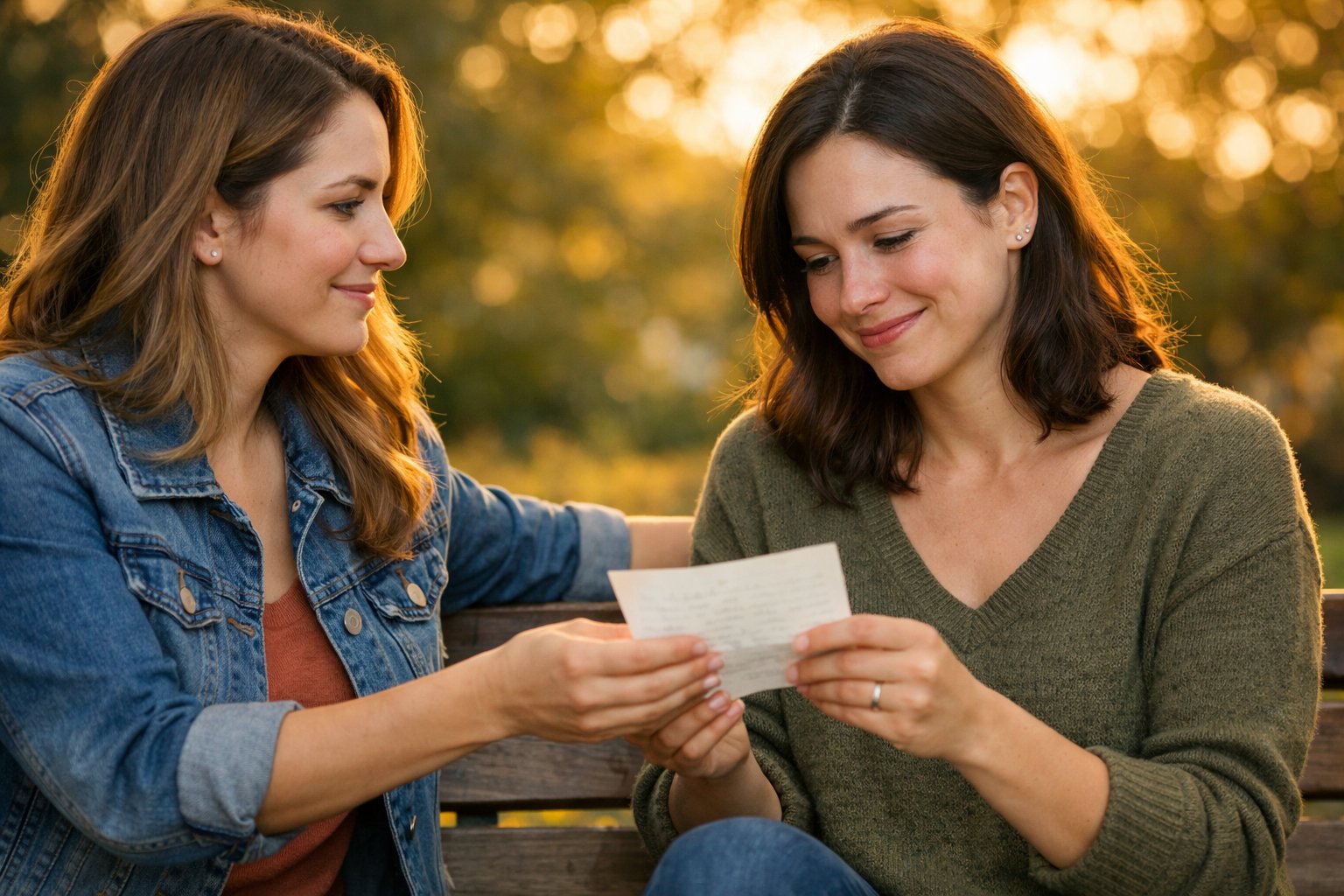
A true friend doesn't disappear when things get hard. They show up in the darkest moments and stay through the chaos.
A friend who stays through hardship shows up without being asked. They call when others forget. They listen without judging or trying to fix everything immediately.
These friends notice the small changes. They see when someone stops laughing as much or when the texts become shorter. They don't wait for a crisis to reach out.
Key signs of a friend who stays:
When friendships fall apart, it often happens due to unresolved conflict or gradual distance. Friends who stay work through disagreements instead of walking away. They understand that life gets busy but make the effort to maintain connection.
Loss tests friendships more than anything else. Death, job loss, breakups, and health crises reveal who will actually be there. These moments separate real friends from acquaintances.
The friend who stays doesn't vanish after the funeral or when the initial crisis passes. They show up weeks and months later when everyone else has moved on. They remember the hard anniversaries.
Financial struggles test friendships too. A true friend doesn't judge when someone can't afford to go out. They suggest free activities or come over with takeout instead.
Difficult moments that reveal true friends:
Distance and busy schedules challenge friendships, but they don't have to end them. Friends who value the relationship find ways to stay connected even when life pulls them apart.
Having someone who stays changes how people handle hard times. Studies show that losing a close friend triggers similar brain reactions to grieving a death, which proves how important these bonds are.
Support from a trusted friend reduces stress and anxiety. It helps people feel less alone in their struggles. Knowing someone cares enough to stay gives people strength to keep going.
Writing letters becomes a powerful way to express gratitude for this support. Whether through meaningful love letters or simple notes, putting feelings into words helps both people appreciate the friendship more. Some people choose personalized stationery to make their letters feel more special.
Real support looks like sitting in silence when words don't help. It looks like bringing groceries or helping with basic tasks. It's the friend who doesn't need constant updates but trusts the person will share when ready.
These friends transform lives by proving that not everyone leaves. They show that relationships can survive hard times and come out stronger.
A letter worth keeping forever needs three things: honest words that feel real, personal details she'll recognize, and a format she can hold onto. These elements transform a simple thank you into something she'll treasure for years.
A strong thank you letter starts with a specific memory. Instead of writing "thanks for being there," the writer should recall an exact moment. Maybe she showed up at 2 a.m. with coffee and stayed until sunrise. Maybe she sat in silence during the hardest week and didn't ask questions.
The letter needs real emotions, not general statements. Writing "you're a good friend" means less than "I don't know if I would have made it through without you." The difference matters.
A letter that creates emotional impact should include:
The letter should also name what she did. "Thank you for staying" works better when followed by details. She made phone calls. She handled things that felt impossible. She remembered to check in every single day.
Generic phrases kill a good letter fast. The writer needs to use inside jokes, her actual name, and details only the two of them would understand.
Personal touches might include mentioning the terrible bucket hat she wore that day. Or the song that was playing. Or what she said that made everything feel less heavy. These small facts prove the letter was written just for her.
The writer should reference shared history. That restaurant they always went to. The show they binged together during recovery. The exact words she used when offering help. Making the letter feel personally meaningful means she'll recognize herself in every paragraph.
Consider adding:
Handwritten letters carry more weight. They take effort. They show intention. She can keep the physical paper in a box or frame it. Many people find that handwritten love letters hold emotional value that typed messages never quite match.
But digital letters work when handwriting isn't readable or when the writer wants to include photos. Some people save digital letters in special folders they revisit often.
Handwritten benefits:
Digital benefits:
For maximum impact, the writer might consider both. A nice stationery set makes handwritten letters feel more special. High-quality paper and a good pen show the letter matters. The physical act of writing by hand often brings out deeper emotions and more careful word choices.
The most meaningful letters acknowledge specific moments and emotions that defined her friendship during difficult times. Genuine gratitude focuses on the tangible ways she showed up and the emotional safety she provided.
A letter gains depth when it names the actual challenges both friends faced together. Writing about the late-night phone calls, the canceled plans she understood without explanation, or the weeks when just getting out of bed felt impossible creates authenticity. These appreciation messages work best when they reference real conversations and shared memories.
The letter should mention how she witnessed the pain firsthand. She saw the tears, heard the fears, and stayed present through the messiest parts. Acknowledging that she carried some of the emotional weight makes the gratitude more genuine.
Including details like "the Tuesday you brought groceries without asking" or "the morning you sat in silence with me for two hours" transforms generic thanks into personal recognition. A personalized thank you card can accompany the letter for an extra special touch.
Her specific actions deserve clear acknowledgment in the letter. Whether she drove across town at midnight, helped with practical tasks, or simply sent daily check-in texts, these behaviors showed her commitment. Sweet appreciation messages should list concrete examples rather than vague statements about "being there."
The letter might mention:
A thoughtful friendship gift paired with the letter reinforces the appreciation. Writing about her sacrifices shows awareness of what her support actually cost her in time, energy, and emotional bandwidth.
Beyond actions, her emotional availability made the biggest difference. The letter should express gratitude for her patience during mood swings, her refusal to judge, and her ability to listen without trying to fix everything. This type of presence cannot be measured but deserves recognition.
She created a safe space where vulnerability felt acceptable. The letter might thank her for never making the struggle feel like a burden, for maintaining confidence in eventual healing, or for holding hope when it felt impossible to find.
Her willingness to sit with discomfort and uncertainty demonstrated true friendship. The most powerful appreciation messages for her acknowledge this emotional labor explicitly, naming it as the gift it was.
Sweet touches in a friendship letter show appreciation without crossing boundaries. The right mix of playful memories and genuine emotion creates letters that feel both warm and authentic.
Inside jokes bring personality to letters that celebrate friendship. A writer should reference specific moments only the two friends understand. These could be silly nicknames, embarrassing stories, or phrases that always make them laugh.
Sweet appreciation messages work best when tied to real events. Instead of writing "you're always there," a person might say "remember when you drove three hours at midnight just to bring ice cream after my breakup." This makes cute love letters for her feel personal rather than generic.
Writers can buy custom stationery on Zazzle to make their letters feel extra special. The physical presentation adds another layer of thoughtfulness.
Examples of memory references:
Cute love letters need both humor and heart. Too much sweetness feels forced. Too many jokes might hide real feelings.
A friend should start with something light, then shift into deeper gratitude. She might joke about their terrible cooking attempts together, then thank her friend for teaching her it's okay to fail. This creates sweet love letters that feel natural.
Writers shouldn't apologize for being emotional. Phrases like "I know this sounds cheesy, but" weaken the message. Instead, they should state feelings directly.
For friends who prefer tangible gifts alongside letters, journals on Amazon let both people continue writing to each other. The letter becomes an ongoing conversation rather than a one-time note.
A cute love letter avoids overdoing compliments. Three specific examples of how the friend helped matter more than ten vague statements about being "the best person ever."
The right words can turn a simple thank you note into something your best friend treasures forever. Honest vulnerability, specific memories, and genuine sincerity work together to create heartfelt messages that touch the heart.
An emotional love letter gains power from raw honesty. Writers should avoid polished phrases that sound scripted. Instead, they should express real feelings in plain language.
Vulnerability means admitting fears and weaknesses. A writer might say "I was lost and scared" rather than "I faced challenges." Direct statements like "You saved me" or "I couldn't breathe without your support" carry more weight than vague compliments.
The best emotional love letters avoid flowery language. Simple words like "terrified," "broken," or "desperate" paint clearer pictures than elaborate descriptions. A friend will feel the genuine emotion behind statements like "I thought I'd drown in loneliness until you showed up."
Writers shouldn't hide difficult emotions. Sharing pain, confusion, or despair makes the gratitude that follows more meaningful. This approach creates authentic connection.
A meaningful love letter needs concrete examples. Generic praise falls flat compared to detailed memories. Instead of writing "You're always there for me," a writer should describe the exact moment their friend appeared with comfort food at 2 a.m.
Details bring scenes to life. Mentioning the friend's worn sweatshirt, the specific song playing, or the exact words spoken makes the letter real. These specifics prove the writer truly remembers and values each moment.
Personal thank you greeting cards become keepsakes when they reference inside jokes or shared experiences. A writer might recall "that Tuesday you drove three hours just to sit with me in silence" or "when you brought me those ridiculous fuzzy socks because you knew I needed to smile."
Numbers add impact. Counting "the seventeen times you answered my late-night calls" or "the month you checked on me every single day" shows dedication. These details transform a long love letter into documented proof of friendship.
Sincerity creates emotional responses that artificial sentiment cannot match. Writers achieve this by focusing on what their friend's actions truly meant rather than exaggerating with dramatic language.
A heartfelt letter works when it acknowledges the friend's sacrifice. Recognizing how they rearranged their schedule, missed events, or put their own needs aside demonstrates understanding. This recognition often moves readers to tears because they feel truly seen.
The closing matters most. Writers should end with clear statements about the friendship's value. Phrases like "You changed my life" or "I'm a better person because of you" land with weight when backed by the specific examples already shared. Keeping a gratitude journal helps writers remember these meaningful moments.
Authentic emotion emerges when writers avoid clichés. Instead of "You're my rock," they might write "When everything crumbled, your voice on the phone was the only solid thing I had." Real feelings expressed in personal language create the sincerity that brings genuine tears of joy.
Sometimes friendships need repair after misunderstandings or hurtful moments. A written apology can rebuild trust and show commitment to the relationship.
A friend needs to apologize when they've caused hurt through their words or actions. Writing an apology letter works best when emotions are high or when distance prevents a face-to-face conversation.
The apology should start with a clear statement of regret. A friend needs to name the specific action that caused harm. For example, "I'm sorry I canceled our plans at the last minute without explanation" works better than "I'm sorry if I upset you."
Taking full responsibility matters more than explaining reasons. The letter should acknowledge how the other person felt and avoid making excuses. A meaningful apology includes concrete steps for change, like "I'll give you advance notice when I need to reschedule" or "I'll think before I speak when I'm angry."
The tone needs to stay humble and sincere. Friends can find quality stationery on Amazon to make their written words feel more personal and thoughtful.
Written reconciliation letters work when friends are separated by geography or when they need time to process their feelings. The letter gives both people space to think without the pressure of immediate responses.
A reconciliation letter should express the value of the friendship. It might say "Our friendship means too much to let this come between us" or "I miss talking to you every day." The writer can share specific memories that show why the relationship matters.
Heartfelt apology messages often include an invitation to reconnect. This might be a suggestion to meet for coffee or a simple "I'm here when you're ready to talk." Friends can create personalized cards on Zazzle to add a special touch to their reconciliation efforts.
The letter should end with patience and understanding. Not every friendship repairs immediately, but the effort shows genuine care for the relationship.
Some friendships carry the weight and warmth of romantic devotion without crossing into romance itself. These bonds deserve recognition as a form of lasting love that rivals any partnership.
Platonic soulmates share a connection that mirrors romantic relationships in intensity and commitment. These friendships involve deep emotional intimacy, unwavering loyalty, and a sense of completeness that many people only associate with romantic partners.
The best friend who stayed through life's collapse often fills this role. She knows every fear, every dream, and every unspoken thought. The bond includes inside jokes that feel like a private language and silences that bring comfort instead of awkwardness.
These relationships deserve celebration through heartfelt friendship messages that acknowledge their depth. A letter thanking this friend can borrow language typically reserved for romantic partners because the feelings are just as powerful.
Many people find that their platonic soulmate provides stability that romantic relationships sometimes lack. There's no fear of breakup, no jealousy, just pure appreciation for who the other person is.
A thank-you letter to a best friend often reads like romantic love letters because the emotions run equally deep. The words "I love you" carry weight. Phrases like "you complete me" or "I can't imagine life without you" feel natural and true.
Writers can craft these letters using techniques found in love letters for her while maintaining platonic boundaries. The key lies in expressing vulnerability, gratitude, and admiration without romantic intent.
Common elements include:
A beautiful stationery set from Zazzle can make the letter feel even more special. Some people frame these letters or keep them in memory boxes alongside romantic keepsake ideas from Amazon.
The language of deep friendship and romantic love overlap because both describe profound human connection. A best friend who stayed deserves words that match the magnitude of her loyalty.
Writing a heartfelt letter becomes easier with examples to guide the process. These samples show different ways to express gratitude while keeping the message personal and genuine.
Brief notes can pack powerful emotions into just a few sentences. A simple message like "Thank you for answering every 2 a.m. call and never making me feel like a burden" says everything without elaborate explanations.
Another option focuses on specific moments: "You sat with me in that hospital waiting room for six hours without complaint. That day showed me what real friendship looks like." These short love letter messages work well on cards or quick texts.
A third approach acknowledges ongoing support: "Every time I thought I'd hit rock bottom, you proved there was solid ground beneath me. Thank you for being that foundation." The key is choosing one meaningful detail rather than listing everything.
Deeper gratitude deserves more space to breathe. A birthday letter might start: "On your special day, I want you to know that losing my job last year would have destroyed me if you hadn't been there every single day." The writer can then detail specific ways the friend helped, like bringing groceries or just sitting quietly during dark moments, similar to congratulatory messages that celebrate achievements.
Anniversary letters celebrating years of friendship allow room to reflect: "Ten years ago, neither of us imagined we'd face what came in 2024. But when my marriage ended, you packed up your life for two months to stay with me." These long love letters for her can fill multiple pages with memories, inside jokes, and promises for the future.
Humor mixed with gratitude creates lasting impact. "Thanks for pretending my crying face isn't terrifying" brings lightness to heavy gratitude. Another playful approach: "You've seen me at my absolute worst, and you still return my calls. Either you're a saint or you need better hobbies."
Self-aware humor works too: "I know I said 'I'm fine' approximately 847 times last year while clearly falling apart. Thank you for ignoring every single one of those lies." These messages acknowledge the friendship's depth while keeping the tone from becoming too serious. They remind both people that laughter survived even the hardest times.
A heartfelt letter deserves protection that matches its emotional value. The right presentation method keeps handwritten love letters safe from damage while making them easy to revisit during difficult times.
A glass shadow box creates an elegant display that protects the letter while keeping it visible. These frames work well for single-page letters and can hang on a wall or sit on a desk. For a more personal touch, decorative keepsake boxes from Zazzle allow her to store the letter safely when not reading it.
Custom leather journals with pockets offer another thoughtful option. She can slip the letter inside the front cover and use the remaining pages for her own thoughts or memories. Photo albums with acid-free sleeves provide protection while allowing both sides of the page to stay visible.
For those who want a permanent keepsake, professional services can turn letters into bound books that preserve multiple pages together. Digital frames loaded with scanned copies let her view the letter without handling the original, reducing wear over time.
Proper storage starts with washing hands before handling handwritten love letters, as oils and dirt accelerate paper breakdown. Store letters flat rather than folded to prevent crease damage and tearing along fold lines.
Archival-quality materials matter for long-term preservation. Acid-free folders and boxes slow deterioration significantly. Polypropylene album pages protect letters while allowing easy viewing from both sides.
Create digital backups by scanning the letter at high resolution. This allows her to share copies with family or print replacements if needed. Store scans on external hard drives available through Amazon and cloud services for extra security.
Keep letters away from direct sunlight, humidity, and extreme temperatures. Attics and basements often have conditions that damage paper over time. A bedroom closet or climate-controlled storage provides better protection for these precious documents.
Writing a thank you letter to a best friend who provided support during difficult times requires thoughtful word choices and genuine emotion. The right phrases and approach can help express deep gratitude while acknowledging the strength of the friendship through hardship.
The writer should begin with a warm, personal greeting rather than a formal salutation. Using the friend's nickname or a phrase like "my dearest friend" sets an intimate tone from the start.
Specific memories make the letter more powerful. Instead of writing "thank you for being there," the person should describe exact moments when the friend showed up. She might write about the night her friend drove across town at 2 AM or sat quietly beside her when words weren't needed.
The letter should explain why the friend's actions mattered. Writing "you saved me" carries more weight when followed by details about how that person's presence provided comfort during panic attacks or helped her get out of bed on the hardest days.
Vulnerability strengthens the message. Admitting "I don't know if I would have survived without you" or "you saw me at my absolute worst and loved me anyway" shows honest appreciation. The friend will treasure these raw, truthful statements.
The closing should reinforce the bond. Phrases like "forever grateful" or "you are my family" leave a lasting impression. Adding pretty stationery from personalized stationery sets makes the letter feel even more special.
Recognition of specific sacrifices touches hearts deeply. The writer should mention times the friend canceled plans to stay with her, spent money they didn't have to help, or put their own needs aside during the crisis.
Describing the friend's unique qualities makes the letter personal. She might write about how her friend's calm voice could slow her racing thoughts or how their humor brought light into dark moments. These specific details make appreciation letters more meaningful.
The letter should acknowledge the friend's consistency. Writing "you checked on me every single day for three months" or "you never once made me feel like a burden" validates their commitment. This recognition shows the writer noticed every act of kindness.
Expressing how the friendship changed her perspective creates emotional depth. She might explain how watching her friend's loyalty taught her what real love looks like or how their support helped her believe in human goodness again.
The writer can include hopes for the future together. Statements like "I can't wait to be there for you the way you were for me" or "I look forward to making happy memories now that we've survived the hard ones" show the friendship will continue growing.
The opening should acknowledge the current state of the relationship honestly. She might write "even though we're no longer close" or "despite how things ended between us" to establish context without dwelling on negativity.
The letter should focus on gratitude rather than blame or regret. Writing about the positive impact the former friend had during difficult times keeps the message clear. She can say "your support during my crisis meant everything" without reopening old wounds.
Specific examples of the friend's help during hard times remind both people of their shared history. Mentioning "the week you let me stay at your place" or "all those nights you talked me through my fears" brings back concrete memories of their bond.
The writer should avoid expectations for reconciliation. This letter thanks the person for past support, not to restart the friendship. Keeping the focus on appreciation prevents the message from feeling manipulative or confusing.
A graceful closing respects the distance between them. Phrases like "I wish you nothing but happiness" or "you'll always have a special place in my story" honor what they shared without suggesting they reconnect. Handwritten notes on elegant writing paper add sincerity to these delicate messages.
The writer should name the hardship directly. Being specific about what she went through gives context to why the friend's loyalty mattered so much. She might reference "my divorce," "my depression," or "when I lost my job" to ground the gratitude in reality.
Describing what loyalty looked like in action makes the appreciation concrete. Writing about how the friend showed up through specific behaviors proves she noticed their efforts. She can mention texts they sent, meals they brought, or the way they defended her to others.
The letter should explain the emotional impact of that loyalty. Writing "your consistency made me feel less alone" or "knowing you wouldn't abandon me helped me keep going" shows how their actions affected her mental state.
Comparing the friend's behavior to others who left highlights their special nature. Without being bitter about others, she can write "when so many people disappeared, you stayed" or "you proved what real friendship means." This distinction honors their choice to remain present.
The writer can express how the friend's loyalty changed her understanding of relationships. She might explain that watching someone stay through chaos restored her faith in people or taught her what commitment truly means.
Direct statements of gratitude carry powerful emotion. Phrases like "you saved my life," "I wouldn't have survived without you," or "you are the reason I'm still here" communicate the depth of appreciation without excessive decoration.
Acknowledging the difficulty of supporting someone in crisis shows maturity. The writer can say "I know I wasn't easy to be around" or "watching me struggle must have been painful for you too" to recognize the friend's sacrifice.
Metaphors about support create vivid imagery. Describing the friend as "my anchor," "my lighthouse," or "the ground beneath my feet" paints a picture of their stabilizing presence. She might write "you held me together when I was falling apart."
Expressions that promise reciprocal support build the friendship forward. Statements like "I will spend the rest of my life trying to be half the friend you were to me" or "when you need me, I'll be there instantly" show commitment to equality in the relationship.
Time-