
Your Cart is Empty
Launching a business is a milestone that deserves recognition. But choosing how to celebrate the people who helped make it happen can feel surprisingly complex. Some founders reach for encouragement necklaces that carry a personal message, while others opt for branded merchandise that builds a sense of shared identity.
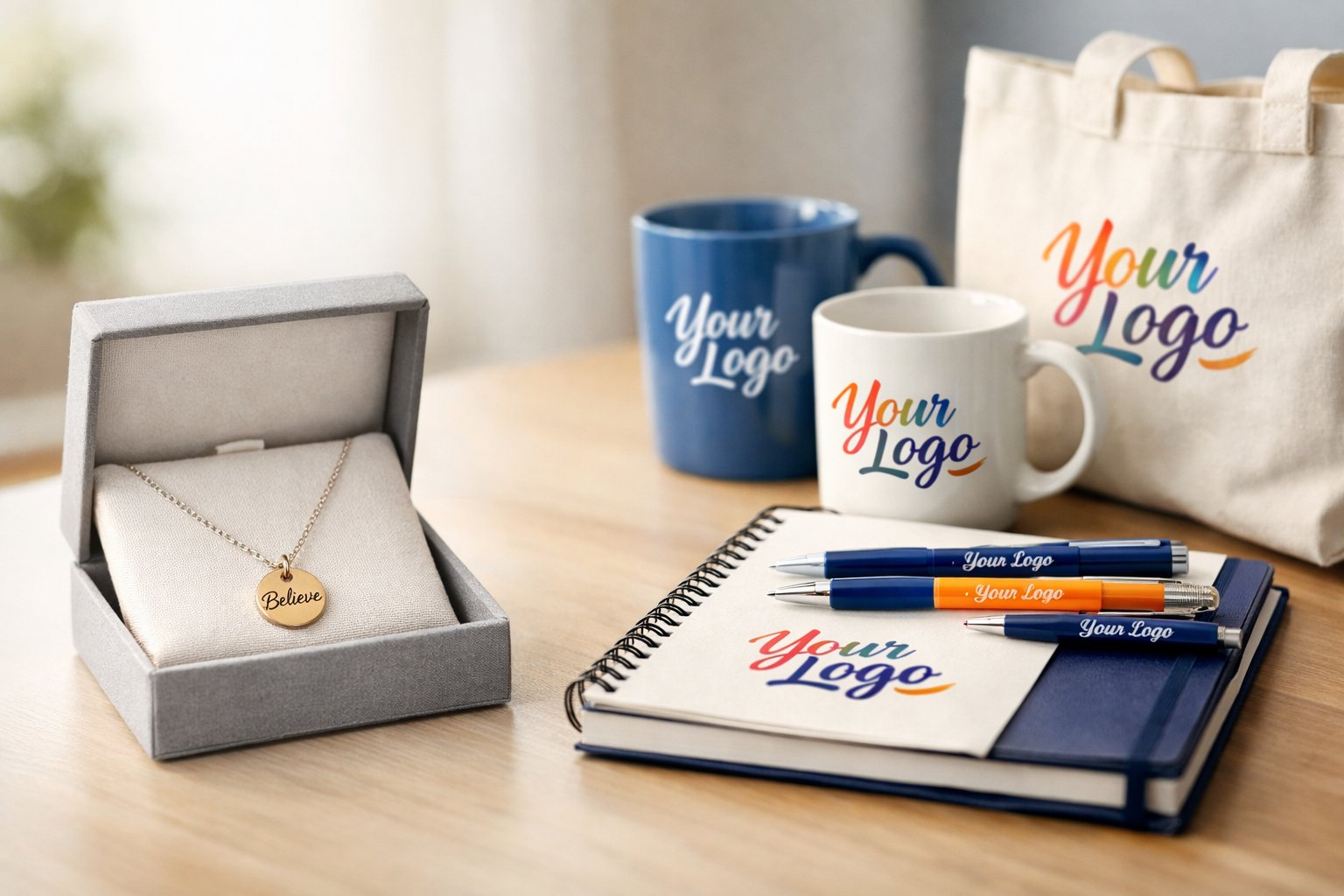
An encouragement necklace tends to feel more personal because it speaks directly to the individual, while branded merchandise creates connection through belonging to something larger. Both approaches carry emotional weight. Branded merchandise taps into memory, identity, and emotion, making it a tool for building loyalty and community. Meanwhile, a necklace with an engraved message or meaningful symbol offers something quieter and more intimate. The choice depends less on which is objectively better and more on what kind of relationship the giver wants to honor.
Understanding the psychology behind why people love branded merchandise helps clarify when each type of gift makes sense. Branded items signal membership and shared values. Personal jewelry acknowledges individual effort and personal growth. For someone who wants to honor both the person and the journey, personalized necklaces offer a way to make that moment feel seen. If the goal is to build team culture and visibility, custom branded items create that sense of unity.
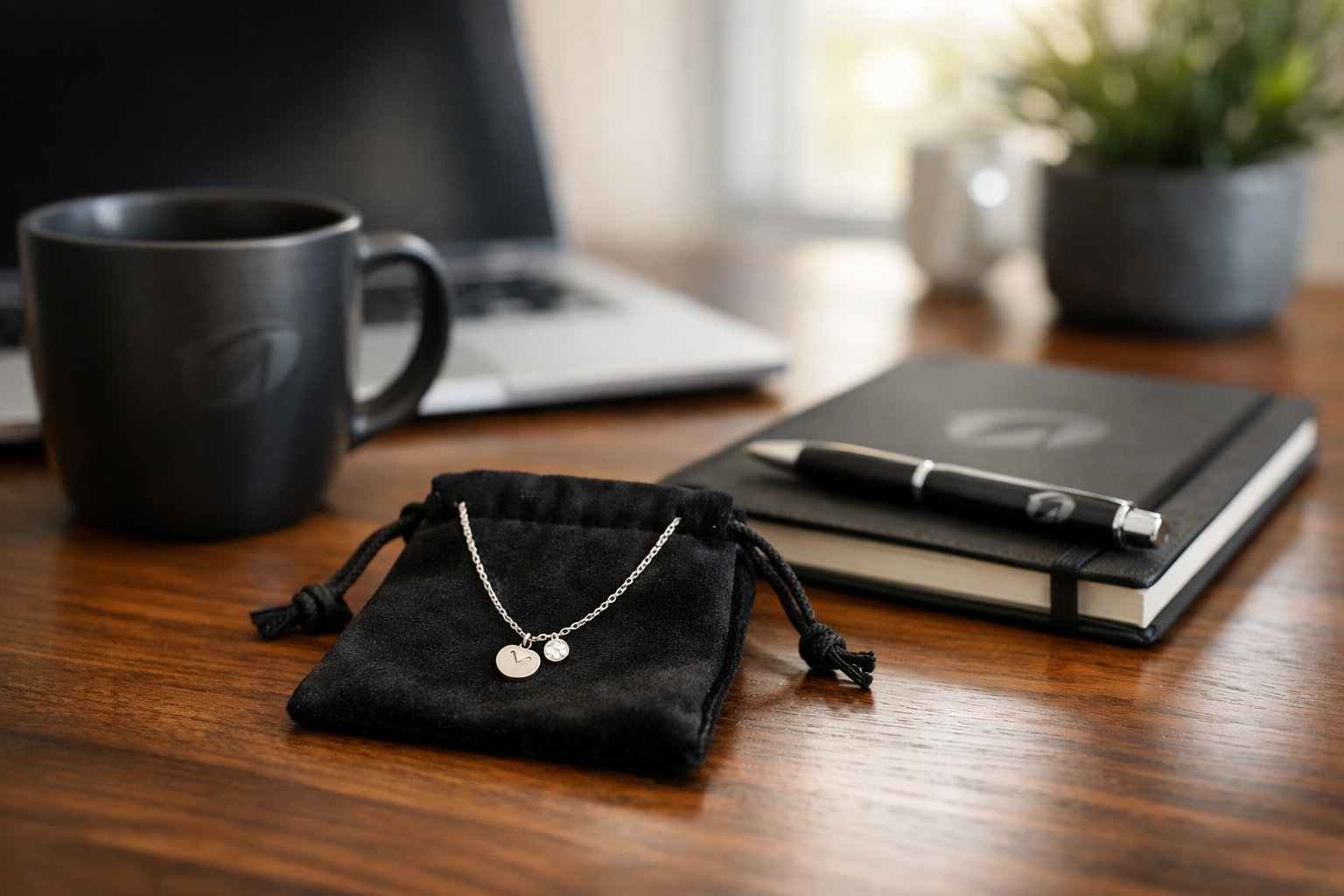
The gifts given right after a business launch become more than objects. They shape how recipients remember the moment and understand their place in the brand's story.
A business launch marks a specific point in time that won't come again. The gifts chosen for this moment carry weight because they acknowledge effort, risk, and shared achievement.
When someone receives a gift tied to a launch, it creates an emotional connection to that specific day. An encouragement necklace with an engraved message becomes a daily reminder of what was accomplished. Branded merchandise like mugs or tote bags serve a different purpose—they reinforce brand identity rather than personal recognition.
The difference lies in what the recipient sees when they look at the gift months later. Personal items tend to evoke the feeling of being valued as an individual. Branded items remind them of the company itself.
If someone helped make the launch possible and deserves something that reflects their individual contribution, a custom piece like this personalized jewelry keeps the focus on them, not just the brand. It speaks to their role without overstating it.
You can personalize it here: ➡️ Explore custom options
The first gift someone receives from a new business sets expectations. It signals whether the relationship will feel transactional or intentional.
Branded merchandise makes sense when the goal is visibility and consistency. Items like custom tote bags or notebooks build brand experience through repeated exposure. They're practical and reinforce recognition.
Personal gifts, on the other hand, prioritize identity over branding. They tell the recipient that the business sees them as more than a contact or customer. This matters especially in building strong business relationships where trust develops slowly.
The choice depends on what kind of first impression the business wants to create. If the goal is to be remembered warmly, something personal carries more emotional weight. If the goal is to be recognized widely, branded items do that work efficiently.
For team members or early supporters who believe in the vision before it's proven, a customizable keepsake acknowledges their faith in the idea. It doesn't need to be expensive to feel meaningful.
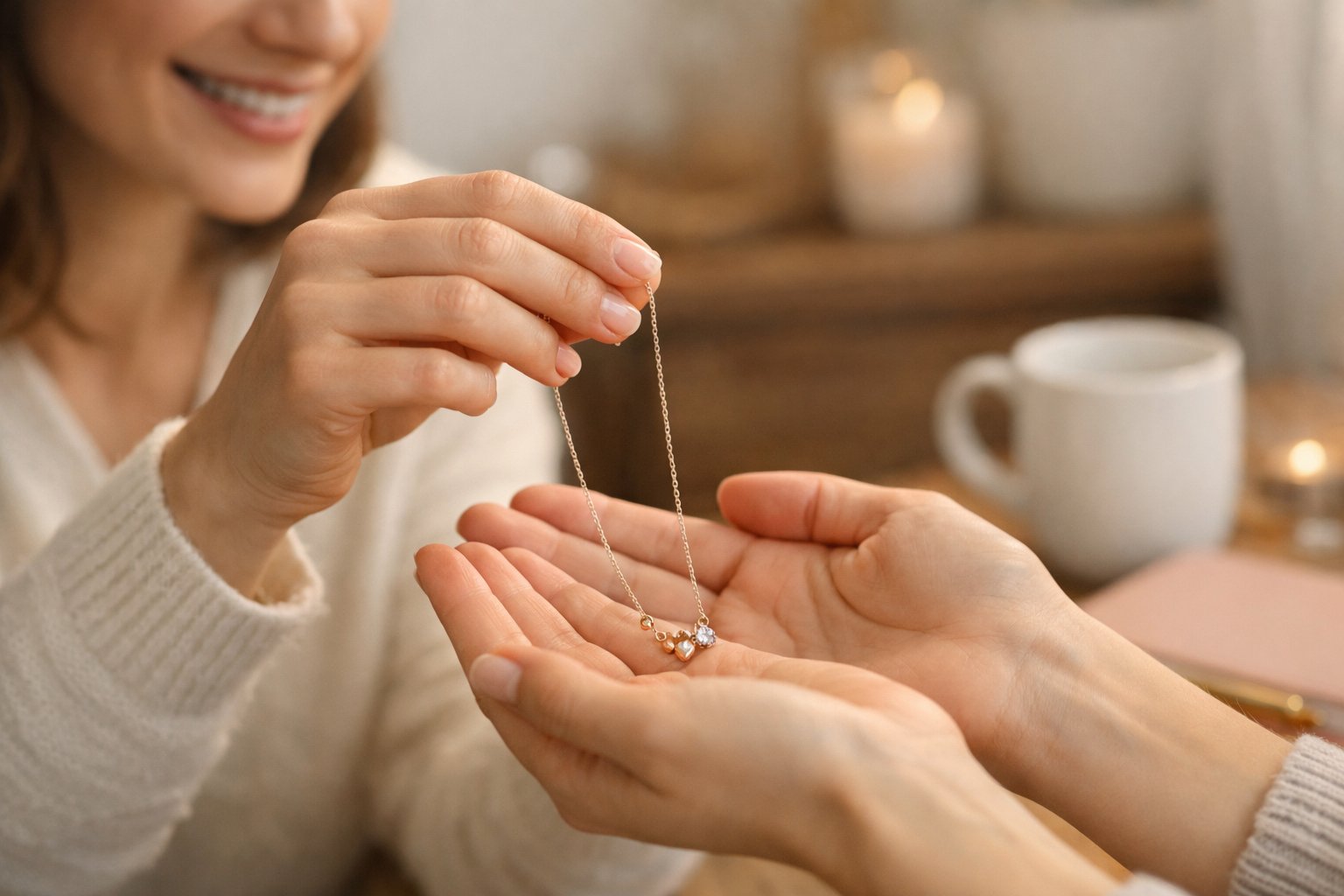
Encouragement necklaces carry emotional weight that goes beyond their physical form. They hold personal narratives and act as tangible symbols of support that someone can wear every day.
Each encouragement necklace becomes a vessel for meaning when tied to a specific moment or milestone. A business owner who receives a necklace engraved with "Courage" or "Brave" carries the memory of who gave it and why. The piece doesn't just sit in a drawer.
It represents someone who believed in them during a vulnerable time. This creates an emotional connection that branded merchandise rarely achieves. A mug with a company logo doesn't hold the same story.
Custom options allow for deeper personalization:
Quote necklaces offer self-expression through words the wearer already values. Someone launching a business might choose a phrase that defined their journey. When they wear it, they remember not just the accomplishment but the person who acknowledged their effort.
Wearing jewelry with encouraging messages provides daily motivation that doesn't require battery life or shelf space. Every time someone glances down at their necklace, they're reminded of the intention behind it. This quiet presence differs from recognition programs that might offer a plaque or certificate.
A personalized affirmation necklace becomes part of someone's routine. They put it on while getting ready. They touch it during stressful moments. It functions as a physical anchor to stability and belief.
For new business owners facing daily uncertainty, this kind of support feels more personal than generic company swag. The necklace doesn't promote a brand. It affirms the person.
Symbols like warriors, mountains, or interlocking circles carry specific meanings that align with personal values. Someone who fought through obstacles to launch their business might connect with strength jewelry that uses resilient imagery. The giver chooses these symbols deliberately.
They're saying something specific about what they see in the recipient. This level of thought transforms the gift into something more than an object. It becomes a statement of understanding.
If someone wants a design that feels personal without being overly sentimental, a customizable piece allows them to balance meaning with subtlety. They can add what matters here: ➡️ Custom Photo Necklace
Common symbolic elements include:
Recognition programs often miss this nuance. They reward achievement but don't necessarily acknowledge the person behind it. An encouragement necklace does both. It celebrates the milestone while honoring the individual's unique path to get there.
Branded merchandise creates visible ties between people and organizations through items they use regularly. These tangible objects turn abstract company values into something employees and customers can hold, wear, and interact with every day.
Branded merchandise serves as a tangible representation of what a company stands for. When someone wears a branded hoodie or uses a company mug, they carry a physical piece of the organization's identity with them.
This visibility matters more than many realize. A person wearing branded apparel makes a quiet statement about their connection to that business. It's not loud or forceful. It simply exists as part of their daily routine.
The items themselves communicate without words. A well-designed piece of merch reflects the quality and values of the brand. Cheap or thoughtless swag sends one message. Carefully chosen branded items send another entirely.
Companies that invest in quality see the difference. Employees actually wear the clothing. They use the products at home. The brand becomes woven into regular life rather than stuffed in a drawer.
Branded merchandise creates visual unity during gatherings and everyday work. When everyone at an event carries the same event swag, it builds an immediate sense of being part of something together.
Research shows that 85% of employees feel more connected to their organization when given quality branded merchandise. This connection doesn't require grand gestures or expensive items. It comes from the shared experience of having something in common.
In workplaces, these items break down barriers between departments and roles. Someone new sees others using the same water bottle or wearing similar shirts. It signals belonging before any words are exchanged.
Events amplify this effect. Conference attendees become a visible group. Team members at a trade show present a unified front. The swag transforms individuals into a collective without forcing it.
If someone wants to create this kind of unity without heavy branding, personalized tote bags work well for teams. You can personalize them here.
Branded items that serve a practical purpose stay in someone's life far longer than one-time gifts. A quality jacket gets worn for years. A durable water bottle travels to offices, gyms, and homes.
This repeated use creates ongoing connection. Each time someone reaches for that item, the brand enters their awareness again. It's not intrusive. It's simply present as part of their routine.
The best branded merchandise fits seamlessly into daily life. Reusable items like notebooks, tech accessories, or clothing become tools people rely on. They stop being promotional objects and become useful possessions.
Longevity also matters for environmental and emotional reasons. A single high-quality piece of branded apparel carries more meaning than a dozen disposable items. It shows respect for the recipient and demonstrates the company's commitment to lasting value over quick impressions.
For something both practical and personal, custom embroidered caps work well across seasons.
When someone receives a gift that reflects who they are, the brain processes it differently than a standard item. The distinction lies in how personalization activates emotional memory and self-perception.
Research from the University of Bath demonstrates that personalized gifts trigger vicarious pride, a psychological response where recipients experience the same satisfaction the giver felt while creating something unique. This happens because the brain connects the gift to identity rather than viewing it as a generic object.
In cognitive psychology, this process involves the recipient mentally reconstructing the giver's intentions. When someone sees their name engraved on a necklace or reads an encouragement message selected specifically for them, they're processing two layers of meaning: the physical item and the thought behind it.
Key cognitive shifts include:
A custom piece like an engraved necklace for a wife carries more cognitive weight because it requires the recipient to acknowledge both the message and the effort. If someone wants something that feels personal without making the moment overly sentimental, a customizable jewelry design keeps it meaningful yet light. You can personalize it here.
The emotional impact extends beyond the initial moment of receiving. Studies confirm that customization raises recipients' self-esteem and makes them feel more valued. This isn't about the monetary value but about emotional connection.
Recipients experience what psychologists call reflected appraisal. They see themselves through the giver's eyes and feel recognized for who they actually are. After a business launch, this recognition matters because the person is already questioning their capabilities and decisions.
The emotional sequence typically follows:
When someone receives an encouragement gift for their grandmother, the emotional outcome differs from branded merchandise because it acknowledges a specific relationship dynamic. The recipient doesn't just feel appreciated but understood. For entrepreneurs navigating post-launch stress, personalized encouragement items from Amazon Custom create lasting emotional connections that generic corporate gifts cannot replicate.
Branded merchandise builds connection through shared identity, while encouragement necklaces speak to someone's inner world. One ties a person to a community, the other to a moment of personal transformation.
When someone wears branded merchandise after a business launch, they signal participation in something bigger than themselves. Brand affinity creates an emotional connection based on shared values and company identity. That hat or tote bag says, "I'm part of this."
This matters for building customer loyalty. People who feel aligned with a brand's mission often become brand ambassadors without being asked. They wear the logo because it reflects how they see themselves.
But group belonging has limits. A new business owner might not yet have strong feelings about their own brand. They're still figuring out what it means. Handing them a logo item can feel premature, like asking them to promote before they've had time to internalize their own story.
The sense of belonging works when someone already feels connected. For a founder just starting out, that connection might not exist yet. They need something that acknowledges where they are now, not where the brand might go later. A brand affinity strategy works better once trust and experience have built up over time.
An encouragement necklace doesn't ask anyone to represent anything external. It speaks to the person wearing it, not the people around them. The message sits close to the skin and reminds them of their own strength during uncertain moments.
This kind of gift feels personal because it's not tied to outcomes or performance. It's not about what they've built or how successful they'll become. It's about who they are in the middle of the hard work.
If someone wants something that feels personal without making the moment overly sentimental, a customizable encouragement necklace keeps it meaningful yet light. You can personalize it here.
Individual appreciation doesn't require brand loyalty. It requires attention. A necklace engraved with a short phrase or date becomes a private anchor. No one else needs to understand what it means. That's the point.
Small, thoughtful gestures can quietly reinforce belonging, while visible branded items anchor people to a shared identity. Both serve different emotional needs depending on team size and the stage of connection.
In smaller groups, gifts work best when they speak directly to the person receiving them. A handwritten note paired with a simple keepsake carries weight because it reflects someone's attention and care.
These moments matter most during transitions. When someone joins a new team or launches something meaningful, a personalized item shows they were thought of individually. It might be a customized necklace with an affirming word or phrase.
It works because the gesture feels intentional, not automated. You can personalize it here.
Small teams thrive on recognition that feels human. Encouragement gifts reinforce trust and signal that contributions are seen. They don't need to be expensive. They need to feel like someone paused long enough to consider what would resonate.
Branded items function differently. They create visible markers of membership, especially useful during onboarding or when building culture across distributed teams.
An onboarding kit that includes a water bottle, notebook, or tote bag gives new employees something tangible to hold onto. It says "you're part of this" before they've even attended their first meeting. Thoughtful gifts show employees they are valued, improving loyalty and morale.
The brand experience matters here. When merchandise feels high-quality and intentional, it reinforces the company's identity. When it feels cheap or generic, it does the opposite.
Customer engagement also shifts when branded gifts arrive unexpectedly. A well-designed item becomes something people use daily, keeping the relationship present without being pushy. Employee engagement deepens when people choose to wear or display company items outside of work, signaling pride rather than obligation.
Physical items carry weight in memory differently than words alone. Whether someone wears a symbol daily or uses a branded item at their desk, the effect on recognition and emotional presence shifts based on context and intention.
Promotional products create stronger brand recall because people interact with them repeatedly over time. A coffee mug used each morning or a tote bag carried to the gym keeps a business name in view without requiring additional effort. This differs from digital advertising that disappears once someone scrolls past.
Repetition consistently outperforms reach when building lasting connections with customers. A notebook sitting on someone's desk for months provides more impressions than a single social media post seen once. The item doesn't need to be expensive to work. It just needs to be useful enough that someone keeps it.
Studies show people who receive promotional merchandise are more likely to remember the brand and feel positively toward it compared to those who only see digital ads. Brand awareness builds through familiarity, not force. When someone reaches for a branded pen or wears a company hoodie, they're choosing to engage with that identity again.
For new businesses, custom merchandise like embroidered hats or personalized notebooks offer practical ways to stay visible without feeling invasive. The key lies in choosing items people actually want to use.
Jewelry operates differently than typical branded merchandise because it sits closer to the body and carries personal meaning. An encouragement necklace doesn't advertise a business, but it can remind the wearer of a specific moment or relationship tied to that business. This creates brand perception through association rather than direct messaging.
Someone who wears a necklace daily creates visibility in social settings without announcing it as marketing. Friends notice. Conversations happen. The item becomes part of someone's identity rather than a promotional tool they feel obligated to display.
If the necklace carries a message that resonates emotionally, it shifts from accessory to anchor. A simple phrase like "keep going" or a date stamped in metal can represent the start of something new. For someone launching a business, gifting a piece like this to a key supporter or early client acknowledges their role without making it transactional.
Custom name necklaces or engraved pieces allow for personalization that feels intentional rather than mass-produced. If someone wants a wearable reminder that doubles as a quiet symbol of support, a customizable bar necklace lets them choose the exact words or date that matter most. It's not about branding in the traditional sense, but about creating something worth keeping. You can personalize it here.
The choice between an encouragement necklace and branded merchandise becomes more complex when considering where materials come from and who made them. Both options carry weight beyond their physical form when they're produced with care for people and the planet.
Ethical production matters because it reflects what a business stands for. When someone receives a gift made under fair labor conditions, they're holding evidence of values in action.
For jewelry, this means looking for makers who disclose their supply chains. Small artisan shops often provide transparency that larger manufacturers can't. A simple pendant from a certified fair-trade jeweler carries different meaning than one with unknown origins.
Branded products face similar questions. Companies focusing on ethical corporate gifting help businesses move beyond transactional relationships toward meaningful connections. T-shirts, tote bags, and drinkware can come from suppliers who pay living wages and maintain safe working conditions.
The difference shows up in conversations. When a team member asks about their gift and hears a real story about its maker, the gesture deepens. For those looking for merchandise options, personalized eco-friendly items from verified sellers offer both customization and conscience.
Materials tell their own story. Recycled metals, organic cotton, and reclaimed wood reduce environmental impact while maintaining quality.
A necklace made from recycled sterling silver looks identical to newly mined metal but carries less environmental cost. The recipient may never notice the difference visually, yet the choice matters. Sustainable corporate gifting practices demonstrate environmental commitment while building business relationships.
For branded items, sustainable materials include organic fabrics, bamboo, and post-consumer recycled plastics. A water bottle made from ocean-bound plastic becomes a conversation piece. Custom sustainable products now match conventional options in durability and appearance.
The investment often costs slightly more upfront but signals long-term thinking. When launching a business, this choice shows stakeholders that profit won't come at any cost. It's a quiet statement that some people notice immediately and others appreciate over time.
The timing of a gift shapes how it lands emotionally. An encouragement necklace centers one person's journey, while branded merchandise builds a shared sense of belonging across a team.
An encouragement necklace works best when someone needs to feel seen as more than their job title. After a business launch, the founder or lead team member often carries invisible weight—doubt, exhaustion, pride they haven't expressed out loud. A necklace engraved with a private message or meaningful phrase acknowledges that internal experience in a way promotional items can't.
It's not about the object itself. It's about what it represents. Custom merch like a necklace becomes something someone wears close to their body, a quiet reminder they're valued beyond their output. This approach feels most personal when the relationship is already intimate—between close colleagues, mentors, or longtime collaborators.
If you want something that feels personal without making the moment overly sentimental, a customizable design like this engraved pendant keeps it meaningful yet light. You can personalize it here.
For milestones that mark someone's courage rather than their résumé, jewelry lands differently than a branded gift ever could.
Branded merchandise strengthens group identity, especially after a launch that required everyone to pull together. When a team receives matching items—tote bags, water bottles, or apparel with the company logo—it signals shared ownership of what just happened. These promotional items work best when distributed to multiple people at once, not as an afterthought but as part of a celebration.
The personalization here isn't individual. It's collective. Custom merch says, "You're part of something bigger now." That feeling matters most in the weeks right after launch, when adrenaline fades and reality sets in. A logo item becomes a tangible marker of membership.
This approach feels most personal when the team is new or when people need reassurance that their contribution mattered. It's less about emotion and more about belonging. For smaller teams or early-stage startups, branded merchandise also functions as an affordable way to build morale without singling anyone out.
The gifts that endure aren't always the most expensive or elaborate. They're the ones that hold meaning beyond the moment, building quiet rituals and deepening trust over time.
Some gifts become part of a story that repeats itself. A small encouragement necklace given at the end of a difficult project can evolve into something employees expect and treasure. It's not about the item itself, but what it represents each time it's given.
When a business owner hands out the same type of gift after major milestones, it creates a rhythm. People start to associate that object with achievement and recognition. Over time, these moments build emotional traditions that feel intentional rather than transactional.
Branded merchandise can serve the same purpose if chosen thoughtfully. A high-quality item like a JBL speaker used in recognition programs becomes more than swag. It becomes a symbol of belonging.
The key is consistency. Giving the same meaningful gift for the same reason year after year turns a single gesture into a ritual. It tells people their efforts are noticed in a way that feels familiar and safe. For someone just launching a business, establishing this kind of rhythm early sets the tone for how appreciation will be expressed down the line.
Customer loyalty doesn't form overnight. It grows through small, repeated acts of care that feel genuine rather than strategic.
A personalized item—like a custom engraved pendant—signals that someone took time to think about the recipient. That pause matters. It suggests the relationship extends beyond the transaction.
Branded items can also build loyalty when they're useful and well-made. A durable tote bag or thermal mug from promotional product suppliers keeps a brand present without being intrusive. The recipient uses it because they want to, not because they feel obligated.
| Gift Type | Loyalty Impact |
|---|---|
| Personalized jewelry | High emotional resonance |
| Quality branded items | Practical, visible, repeatable |
| Generic giveaways | Low retention, forgettable |
Both approaches work when the focus is on longevity. A gift that lasts physically and emotionally reminds people why they chose to work with or support a business in the first place. That memory becomes the foundation for customer loyalty that doesn't need to be re-earned constantly.
Business gifting after a launch raises questions about what creates lasting connections and how different gifts shape the way people remember a milestone. The answers lie in understanding emotional resonance, perceived value, and how personal touches influence relationships with a new brand.
A personalized gift creates a memory marker that ties directly to a specific moment. When someone receives an encouragement necklace after a business launch, they're holding something that acknowledges their presence during a pivotal time. The item carries emotional weight because it was chosen for them, not distributed to everyone.
The connection deepens when the gift reflects the recipient's role in the journey. A message engraved on jewelry becomes a private conversation between giver and receiver. It signals that the relationship matters beyond the transaction.
This type of gift doesn't advertise. It whispers instead of shouts, which makes people want to keep it close.
Branded merchandise works when it serves a purpose in someone's daily life. A well-made tote bag or quality notebook with a company logo becomes part of a routine. The brand stays visible without demanding attention, which builds familiarity over time.
The key is choosing items people actually use. Thoughtful corporate gifting decisions consider what recipients need rather than what promotes the company loudest. When a customer reaches for that insulated tumbler every morning, they're reminded of the business in a positive context.
Branded gifts also create a sense of belonging. Early customers who receive quality merchandise feel like they're part of something from the beginning. That shared identity matters when building community around a new venture.
Custom-made items feel like acknowledgment. When someone opens a gift that was created specifically for them or their contribution, they experience recognition that goes beyond appreciation. A custom necklace with their name or a meaningful date tells them they were noticed.
Corporate swag creates a different feeling. It says "thank you for being here" rather than "thank you for being you." That's not inherently negative, but it carries less emotional weight. The recipient knows hundreds of others received the same pen or keychain.
The gap between these experiences shows up in how people talk about the gift later. Custom items become stories. Standard swag becomes background noise.
If someone played a significant role in helping launch a business, something that speaks directly to them honors that contribution. You can personalize it here.
Perceived value shapes expectations about how a business operates. A flimsy, poorly made gift suggests the company cuts corners. A thoughtful, quality item signals that the business pays attention to details and cares about the experience they create.
Value doesn't always mean expensive. A beautifully packaged handmade item can carry more weight than a pricey but generic product. The recipient notices when effort went into selection and presentation.
The gift becomes evidence of the brand's values. If a company claims to prioritize relationships but sends cheap promotional items, the disconnect creates doubt. When the gift matches the message, trust builds naturally.
This is especially true right after a launch when people are still forming opinions. The first physical touchpoint outside the product or service itself becomes disproportionately important in shaping long-term perception.
Authenticity in gifting means the gesture matches the relationship's actual depth. Sending an elaborate gift to someone who made a small purchase feels performative. Sending something meaningful to a partner who helped make the launch possible feels earned.
Personal touches signal that someone took time. A handwritten note explaining why a specific gift was chosen transforms the experience. Even subtle branding or unbranded gifts feel more authentic when they're paired with personal context.
The absence of authenticity is easy to spot. Generic messages and gifts that could go to anyone create emotional distance instead of connection. Recipients can tell when they're receiving a strategy rather than appreciation.
Personal touches also make the gift less transactional. They shift the gesture from marketing to relationship building, which changes how people receive and remember it.
An encouragement necklace stands out because it's uncommon in business contexts. Most people don't expect to receive jewelry after a launch, so it creates surprise. That unexpectedness makes the moment more memorable than receiving another branded item they've seen dozens of times.
The uniqueness also makes it harder to compare. When someone receives a promotional product, they unconsciously measure it against every other company giveaway they've gotten. A necklace exists in a different category entirely, which protects it from those comparisons.
Branded merchandise becomes memorable when it breaks patterns too. An unusually high-quality item or something genuinely useful earns mental space. But most branded gifts blend together because companies tend to choose similar items.
The difference comes down to scarcity of experience. People remember what they don't encounter regularly, and they forget what feels repetitive.