
Your Cart is Empty
When life throws its hardest challenges at us, female friendships often become the steady ground we stand on. These connections offer more than casual companionship. Female friendships provide emotional support, reduce stress, and contribute to better mental and physical health throughout every stage of life.
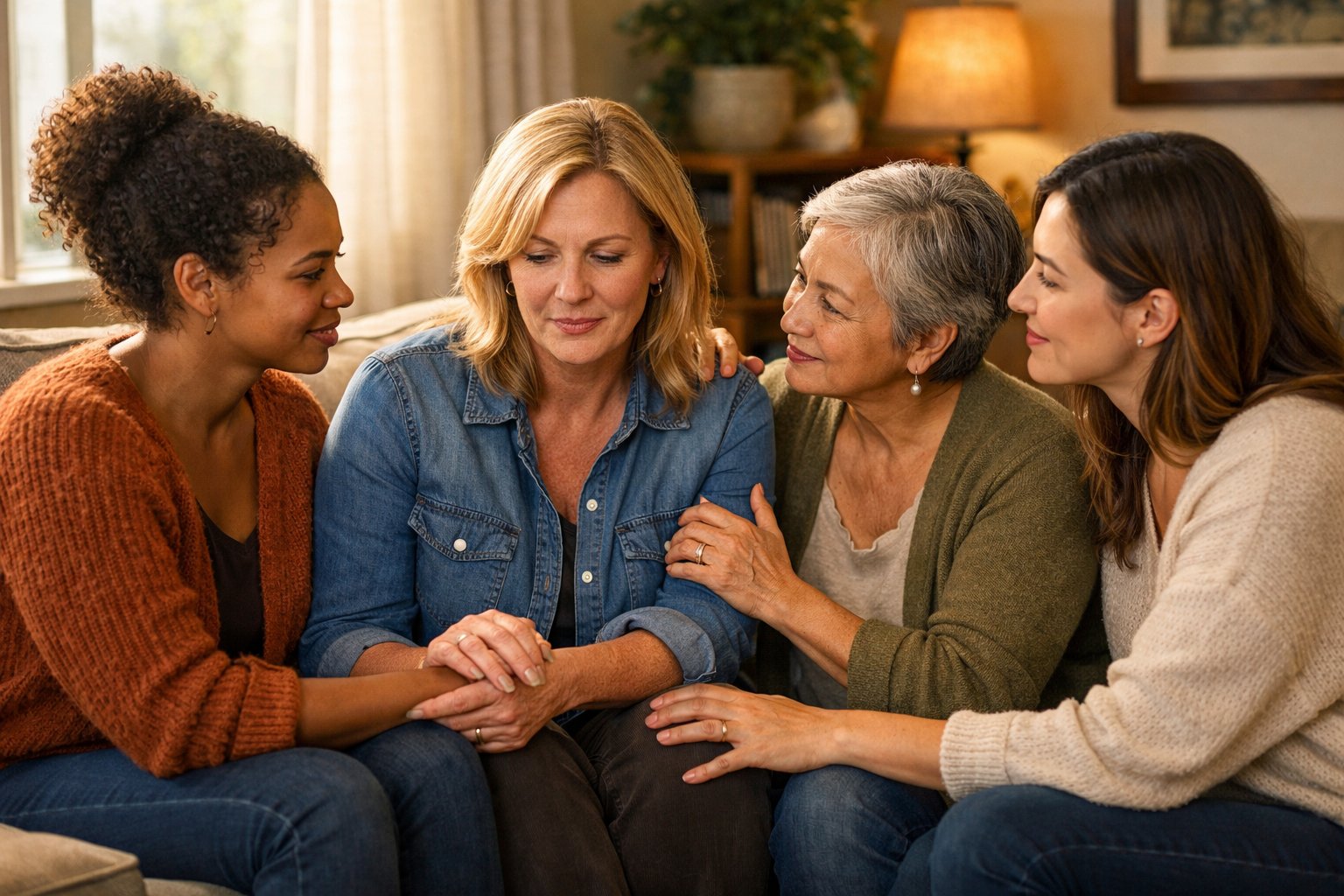
Women seek emotional intimacy from their friends in ways that create powerful bonds. They want someone who notices subtle mood changes and understands unspoken feelings. This deep connection helps them navigate divorce, illness, grief, and major life transitions with greater strength.
Female friendships naturally shift and evolve as women move through different chapters. Understanding how to nurture these relationships while managing their complexities makes all the difference. Consider celebrating your friendships with meaningful gifts from Zazzle or finding books about women's connections on Amazon to deepen your appreciation for these bonds.

Female friendships create protective shields during life's toughest moments through deep emotional bonds and practical support that few other relationships can match. These connections provide women with the strength to face challenges they might not overcome alone.
Close female friends build spaces where women can share their deepest fears without judgment. This emotional support acts as a buffer against life's challenges and creates a foundation for authentic connection.
Women typically share personal information more freely with their female friends than with others. This openness leads to stronger trust and deeper bonds.
The importance of female friendships shows in how women process difficult emotions together. They validate each other's feelings and provide perspective during confusing times. A woman facing job loss or relationship trouble can express vulnerability to her friends without fear of criticism.
Research shows that women with strong social ties have lower stress levels and better mental health outcomes. Female friends often understand each other's experiences in ways others cannot, which creates unique emotional safety.
Female friendships form networks that provide both emotional and practical help. These support systems include:
Women often coordinate care for each other during illness, divorce, or family crises. One friend might organize a meal train while another handles school pickups. Female friends offer a safe space to share feelings and navigate challenges together.
These support systems extend beyond immediate crises. Female friends celebrate achievements, provide honest feedback, and help each other grow. They remember important dates and show up consistently.
Gift exchanges between friends strengthen these bonds. Personalized items like custom mugs from Zazzle or journals from Amazon show thoughtfulness during recovery periods.
Female friendships become most vital during acute crises like death, divorce, or serious illness. Friends provide immediate emotional support when women face their darkest moments. Strong female friendships help reduce depression and anxiety during these critical periods.
Women in crisis often cannot think clearly or make decisions alone. Female friends step in to handle logistics, research options, and offer clear-headed guidance. They sit in hospital waiting rooms, attend difficult appointments, and provide stability when everything feels chaotic.
The solidarity created through shared challenges builds lasting resilience. Women who weather storms together develop unbreakable bonds. These friendships teach coping skills and demonstrate that recovery is possible because someone else survived something similar.
Female friends also protect each other from isolation during crisis. They ensure women don't withdraw completely or make harmful decisions while overwhelmed.

Women who maintain close friendships develop stronger mental health and better coping skills when facing difficult times. These bonds create a support system that helps build resilience through shared understanding, active encouragement, and help navigating major life changes.
Female friendships thrive on emotional conversations that create stability and connection over time. Women often serve as confidantes for each other, sharing their deepest concerns without fear of judgment. This type of sharing allows friends to truly understand what the other person is experiencing.
When one woman opens up about her struggles, her friend can often relate to similar experiences. This mutual understanding creates a safe space where both people feel heard and validated. The bond strengthens as they realize they are not alone in their challenges.
Research shows that women who maintain strong social connections experience increased resilience, higher self-esteem, and greater life satisfaction. The emotional support exchanged between female friends acts as a buffer against stress and anxiety. These relationships help women process difficult emotions more effectively than they could on their own.
A personalized friendship journal from Zazzle can help women document meaningful moments with their closest friends.
Female friends provide practical and emotional support when life gets tough. They offer encouragement that helps each other push through difficult situations. This support comes in many forms, from listening without interruption to offering specific advice based on personal experience.
Women lifting women through mentoring and support creates collective strength. Friends remind each other of their capabilities when self-doubt creeps in. They celebrate small victories and provide perspective when problems feel overwhelming.
The "tend and befriend" response that makes female friendships resilient kicks in during stressful times. Instead of isolating or reacting with aggression, women naturally turn to their friends for comfort and support. This biological response helps reduce stress hormones and promotes healing.
Major life transitions and losses become more manageable with female friends by your side. Whether dealing with divorce, death, job loss, or health issues, having trusted confidantes makes the journey less isolating. These friends sit with discomfort and don't rush the healing process.
Female friendships help women adapt to change by providing consistency when everything else feels unstable. A friend who knew you before the loss can remind you of who you are when identity feels shaken. They hold space for grief while also gently encouraging forward movement when the time is right.
Female friendships significantly reduce stress and promote a healthier life during recovery from trauma or loss. Books about building emotional resilience available on Amazon offer additional guidance. The emotional resilience gained through these relationships helps women bounce back stronger than before.
Strong connections with other women create measurable improvements in mental health, from lowering stress hormones to building confidence in daily life. These relationships provide emotional support that directly affects how women handle challenges and view themselves.
Female friendships act as a buffer against stress through biological and emotional pathways. When women spend time with close friends, their bodies release oxytocin, a hormone that counteracts stress responses. This bonding hormone helps reduce cortisol levels during difficult times.
Talking through problems with trusted friends provides immediate relief. Sharing life's burdens significantly reduces stress levels because it prevents women from carrying emotional weight alone. A friend who listens without judgment creates a safe space to process worry and fear.
The tend-and-befriend response in women means they naturally seek social connection during stressful periods. This differs from fight-or-flight reactions and proves more effective for managing anxiety. Regular contact with supportive friends helps maintain lower baseline stress levels over time.
Close friendships directly impact how women see themselves and their worth. Friends who offer genuine appreciation and recognition help counter negative self-talk and doubt. This judgment-free outlet recognizes and appreciates women without expecting anything in return.
Women often validate each other's experiences and feelings in ways that build confidence. A friend who celebrates achievements or encourages growth reinforces positive self-perception. These interactions create a foundation of self-esteem that carries into other areas of life, including work and family relationships.
Female friendships create communities where women feel understood and accepted. This sense of belonging provides healing and resilience during life's transitions. Knowing others share similar struggles reduces isolation and loneliness.
Strong social bonds give women a place where they can be authentic. Friends who accept flaws and imperfections create psychological safety. This acceptance fulfills a basic human need for connection that affects overall mental health and life satisfaction. Women with solid friendship networks report better emotional well-being and greater happiness compared to those with weaker social ties.
Women build deep connections through honest conversations and emotional openness that create strong foundations for lasting friendships. These bonds thrive when friends feel safe enough to share their true feelings without judgment.
Women bond by confiding in each other rather than just doing activities together. Girls learn early to share secrets and talk about their lives with friends. This practice continues into adulthood when women discuss work problems, relationship troubles, and family challenges.
Men often build friendships around sports or hobbies. While these activities create connections, they don't always lead to the deep emotional talks that build intimacy. Women share the small daily moments that shape their experiences.
This type of sharing builds emotional resilience over time. When a woman talks through her struggles with a friend, she processes difficult emotions and gains new perspectives. The act of being heard and understood helps her handle future challenges with more confidence.
Female friends also remember small but meaningful details about each other's lives. They follow up about important meetings, health appointments, or dates that were mentioned in passing. This attention makes women feel truly seen and valued.
Society has long encouraged women to express their feelings openly. Women can be vulnerable with each other without shame or embarrassment. They cry together, share disappointments, and address conflicts directly.
This creates safe spaces where women show up as themselves. A woman doesn't need to hide her anxiety, downplay her achievements, or pretend everything is fine. Her friends accept her messy, complicated reality.
These authentic connections work like personalized friendship mugs that celebrate unique bonds. They reflect the specific relationship between two people. The safety to be real strengthens trust and deepens intimacy in ways that transform ordinary friendships into lifelong support systems.
Female friendships create space for women to evolve into their best selves while holding each other accountable to their goals. These connections provide both the mirror for self-reflection and the push needed to take action.
Women help each other see blind spots and recognize patterns that might otherwise go unnoticed. A best friend often notices when someone is settling for less than they deserve or ignoring their own needs. These observations come from a place of care rather than judgment.
Nurturing friendships between women create safe environments where vulnerability leads to breakthrough moments. Women share their fears about career changes, relationship concerns, and personal struggles without fear of ridicule. Through these conversations, they discover new perspectives on old problems.
Friends also introduce each other to new experiences and ideas. One woman might encourage another to try a creative hobby she's been putting off. Another might share books, podcasts, or resources that spark fresh thinking. Personal growth happens faster when women have trusted companions who celebrate their wins and support their experiments with new identities and roles.
Female friendships thrive on mutual support and shared goals. Women check in on each other's progress and provide gentle reminders about commitments. This accountability works because it comes from genuine interest rather than obligation.
Friends motivate each other through actions as much as words. Seeing a friend pursue her goals inspires others to take their own ambitions seriously. Women celebrate milestones together, whether it's completing a fitness goal, finishing a degree, or launching a business venture.
The accountability extends beyond achievements to daily habits and well-being. Friends notice when someone is overworking or neglecting self-care. They send texts checking in during difficult weeks and make plans to ensure no one isolates during hard times. A gift celebrating friendship can serve as a reminder of these meaningful connections. Women also find books about friendship and personal development helpful for strengthening their bonds.
Female friendships thrive on deep emotional connections, but these same bonds can create unexpected difficulties. Understanding how to manage jealousy, resolve conflicts effectively, and adapt when life circumstances change helps preserve these valuable relationships.
Competition between female friends often stems from societal pressures that pit women against each other in areas like career success, appearance, or romantic relationships. When one friend achieves a milestone, the other might feel left behind rather than genuinely happy.
Women can address these feelings by acknowledging them honestly. Jealousy doesn't make someone a bad friend—it makes them human. Opening up about insecurities creates space for vulnerability and strengthens trust.
Setting boundaries around comparison helps too. Female friends who celebrate each other's wins without measuring their own worth against those achievements build healthier dynamics. A journal or planner can help track personal goals separately from a friend's journey.
Competition loses its power when both people recognize they're not in the same race. Each woman's path looks different, and female friendships flourish when both parties remember this truth.
The three affinities of female friendship—symmetry, support, and secrecy—explain why conflicts feel so disruptive. Women expect their close friends to understand them, provide emotional support, and maintain exclusive bonds. When these expectations aren't met, the relationship feels threatened.
Many women avoid direct confrontation because it seems risky. They might resort to indirect communication or talking about the issue with other friends instead of addressing it head-on. But avoiding conflict doesn't make it disappear—it just lets resentment build.
Effective communication starts with naming the problem clearly. Rather than saying "you hurt me," a friend might say "when you criticized my parenting choice, I felt like you thought your way was better than mine."
Key communication strategies include:
Female friends who view conflict as a normal part of intimacy rather than a sign of friendship failure create more resilient bonds.
Major life changes test even the strongest female friendships. Marriage, parenthood, career shifts, or relocations alter how much time and energy someone can invest in friendships.
A single friend might feel abandoned when her best friend gets married. A new mother might struggle to relate to childless friends. These challenges in female friendships require both parties to extend grace and adjust expectations.
Staying connected during transitions means finding new ways to maintain the relationship. Video calls replace coffee dates. Text check-ins substitute for long phone conversations. Even sending a personalized friendship card shows someone they're still valued.
Female friends who acknowledge that relationships evolve rather than expecting them to stay the same navigate transitions more successfully. The friendship might look different, but it can remain just as meaningful when both people commit to adapting together.
Female friendships transform dramatically from playground companions to lifelong confidantes, with each phase bringing unique challenges and deeper emotional connections. The way women relate to their close friends shifts as responsibilities, priorities, and life circumstances evolve.
Young girls form their first friendships through simple proximity and shared activities. These early bonds center on play, cooperation, and learning basic social skills like sharing and taking turns.
As girls enter adolescence, their friendships become more complex and emotionally intense. They begin sharing secrets, discussing feelings, and seeking validation from peers. These teenage years mark a critical shift where female friendships often take priority over family relationships.
The adolescent years introduce challenges like jealousy, competition, and social hierarchies. Girls learn to navigate conflicts, set boundaries, and develop empathy through these experiences. These formative relationships teach essential skills that shape how women connect throughout their lives.
Women in their twenties and thirties often experience a golden age of friendship. They have time for spontaneous gatherings and frequent contact with friends who share similar life stages.
Mid-adulthood brings significant changes as careers, marriages, and children demand attention. Many women struggle to maintain friendships that once felt effortless. Phone calls replace lengthy coffee dates, and months may pass between meetups.
Despite these obstacles, adult friendships become more selective and meaningful. Women prioritize quality over quantity, investing energy in relationships that provide mutual support and understanding. Celebrating milestones like PhD achievements together strengthens these bonds. Friends who weather life transitions together often form unbreakable connections that last decades.
Women over fifty often rediscover friendship as children leave home and work demands shift. This stage brings opportunities to reconnect with old friends and pursue new interests that foster fresh connections.
Later years present unique challenges as health issues, relocating, and losing loved ones reshape social circles. Yet these difficulties make remaining friendships even more precious and essential for wellbeing.
Older women frequently develop intergenerational friendships that enrich their lives with fresh perspectives. Technology helps maintain long-distance relationships through video calls and messaging. Women who actively nurture their friendships during this phase experience better mental health, reduced isolation, and greater life satisfaction. They adapt by embracing shorter visits, virtual connections, and meaningful gifts that express appreciation for enduring bonds.
Female friendships thrive when women actively invest in them through consistent presence, open communication, and shared experiences. These practices create the foundation for connections that withstand life's inevitable changes.
Quality time forms the backbone of nurturing friendships. Women who schedule regular meetups—whether weekly coffee dates, monthly dinners, or weekend getaways—build stronger bonds than those who rely on sporadic contact.
Being fully present matters more than the duration of time spent together. This means putting phones away during conversations and giving undivided attention to the friend who is speaking. Active listening involves making eye contact, asking follow-up questions, and reflecting back what was heard to show understanding.
Shared activities deepen connections naturally. Women might cook meals together, attend fitness classes, volunteer for causes they care about, or simply take walks while talking. These experiences create memories that strengthen the relationship over time.
Distance does not have to weaken friendships when women adapt their approach. Video calls, voice messages, and planned visits help maintain connections with friends and family across miles. A friendship journal can help track important dates and conversation topics between meetups.
Opening up about fears, struggles, and insecurities allows friendships to move beyond surface-level interactions. Women who share their authentic selves invite their friends to do the same, creating reciprocal trust.
Honest communication requires expressing thoughts and feelings clearly, even when difficult. This includes addressing conflicts directly rather than letting resentment build. Women who approach disagreements with curiosity about their friend's perspective often find resolution strengthens rather than damages the relationship.
Empathy plays a critical role in vulnerable exchanges. Validating a friend's experience without immediately offering solutions shows respect for her feelings. Sometimes listening without judgment provides more support than advice.
Boundaries deserve equal attention to vulnerability. Women who communicate their needs and respect their friends' limits create healthier dynamics. This balance prevents burnout and resentment in the relationship.
Regular traditions create a sense of belonging and continuity in female friendships. These rituals can be simple: annual birthday celebrations, seasonal gatherings, or monthly book club meetings.
Small gestures of appreciation reinforce positive aspects of the friendship. Thank-you notes, thoughtful gifts, or personalized friendship items remind friends they are valued. Acknowledging specific qualities or actions—"I appreciate how you always make time to listen"—carries more weight than generic compliments.
Milestone celebrations mark the friendship's evolution. Recognizing friendship anniversaries, supporting each other through life transitions, or creating photo albums of shared experiences honors the relationship's history. These practices demonstrate that the friendship holds significance beyond convenience or circumstance.
Ways to strengthen friendship rituals:
Women who connect with other women create networks that provide both practical help and emotional strength. These relationships build a sense of belonging that extends beyond individual friendships into broader communities where women support each other's growth and success.
Female friendships create structured systems of help that women can rely on during difficult times. These networks operate on multiple levels, from small groups of close female friends to larger communities of women with shared experiences.
Practical support networks include:
Research shows that women with strong social connections experience lower stress levels and better health outcomes. The networks women build serve specific purposes throughout different life stages. Young professionals connect to navigate career challenges. Mothers form groups to share parenting strategies. Older women maintain friendships that provide companionship and practical assistance.
These support systems work because women understand each other's challenges. A friend who has experienced similar struggles offers more than sympathy. She provides tested solutions and realistic expectations. Women can find friendship items on Zazzle to celebrate these important relationships.
Female friendships create bonds that actively promote each woman's success and confidence. This goes beyond casual encouragement to include concrete actions that help friends achieve their goals.
Women uplift each other by:
Close female friends provide honest feedback that helps women grow. They point out strengths that others might miss and encourage risk-taking when fear holds someone back. This type of support builds confidence that extends into all areas of life.
Women also uplift each other by sharing resources. This includes recommending books like those on Amazon that explore female friendships, connecting friends with job opportunities, or teaching new skills. The sense of belonging women feel in these relationships creates safety to try new things and recover from setbacks.
Female friendships shape who we become and influence the people around us long after individual moments pass. These connections improve health outcomes and create patterns of support that extend across generations.
The effects of strong female friendships extend into physical health and longevity. Women with robust social networks show better survival rates when facing serious health challenges. Research indicates that social integration contributes to longer lifespans in women who maintain meaningful connections throughout their lives.
These relationships also protect cognitive function as women age. Studies show that late-life social activity reduces dementia risk and helps prevent mild cognitive impairment. A best friend provides more than emotional comfort. She becomes part of a support system that literally strengthens immunity and reduces disease risk.
The mental health benefits prove equally significant. Female friendships boost self-esteem and provide resilience during difficult periods. Women who maintain these bonds experience lower stress levels and better emotional regulation. Personalized gifts like birthday wishes for daughters can strengthen family bonds that mirror friendship patterns.
Mothers who prioritize female friendship teach their daughters valuable lessons about connection and support. Young women observe how their mothers navigate relationships and learn patterns of communication and trust. These observed behaviors shape how the next generation approaches their own friendships.
The ripple effect extends beyond immediate family. Women who value their friendships create communities where support becomes the norm rather than the exception. They demonstrate that asking for help shows strength, not weakness. This cultural shift benefits everyone who witnesses it.
Female friendship models also influence how women approach professional relationships and community involvement. A woman who experiences the power of a best friend often extends that same energy to mentoring younger colleagues or supporting other women in her field. Custom friendship jewelry from retailers like Zazzle symbolizes these lasting bonds. The legacy lives in action, not just words.
Female friendships provide unique emotional support through brain chemistry and communication patterns, while also facing distinct challenges around competition and life transitions.
Female friendship psychology reveals that women's brains release oxytocin during positive social interactions. This hormone creates feelings of warmth and connection. It helps reduce stress and promotes bonding between friends.
Women tend to communicate differently than men by focusing on emotional expression and personal details. They use conversation as a tool for connection rather than just sharing information. This creates deeper bonds during hard times.
Brain imaging studies show that social interactions activate reward centers in the brain. The experience is similar to eating chocolate or winning money. The brain finds friendship naturally rewarding.
Research indicates that women with strong social ties live longer and have lower stress levels. They also face reduced risk of cardiovascular disease. These friendships act as protection against life's challenges.
Female friendships represent chosen family and lifelong support systems. One perspective suggests that girlfriends may be soulmates while romantic partners are just people to have fun with. This captures how central these bonds become in women's lives.
Women often describe their closest friends as the first person they call when life falls apart. These friends provide shoulders to cry on during heartbreak. They also create the laughter that echoes through cherished memories.
The bonds between women create a safe space for vulnerability. Friends remind each other of their worth during difficult moments. This constant reinforcement builds stronger self-esteem and resilience.
Female friendships lift each other up rather than tear each other down. They celebrate successes together instead of feeling threatened. This support helps women navigate major life transitions and challenges.
Women are more comfortable expressing feelings and seeking help from friends. This openness creates opportunities for vulnerability that strengthen mental health. Female friendships often involve deeper emotional intimacy than male friendships.
Women share deeply personal information with close friends more frequently. This level of self-disclosure creates stronger bonds of closeness and trust. The communication style focuses on building connection through shared experiences.
When conflicts arise, women are more likely to address issues directly. They work toward resolution rather than letting problems simmer. This approach helps maintain friendships through difficult periods.
Female friendships tend to revolve around emotional support and personal conversations. Women use their friendships as a first line of defense against life's challenges. They provide congratulations and recognition for major achievements and milestones.
Research consistently shows that women who maintain strong social connections experience lower rates of depression and anxiety. Each friend acts like a shield protecting against mental health challenges. These relationships provide crucial emotional support systems.
Studies reveal that female friendships contribute to longer and healthier lives. The bonds help reduce stress levels significantly. Women with solid friend groups show improved overall wellbeing.
Social relationships impact mortality risk according to meta-analytic reviews. Strong friendships protect against early death. The benefits extend beyond just feeling good to actual physical health improvements.
Women turn to friends for advice and support during difficult times. This builds up coping mechanisms and emotional resilience. The friendships create personal trainers for emotional strength.
Cultural expectations around self-sacrifice and competition strain female friendships. Women face pressure to prioritize family over friendships. These norms make maintaining close bonds more difficult.
Social comparison and competition can damage female friendships. Women sometimes feel pressure to measure up to friends' achievements or appearances. This creates tension that healthy friendships must work to overcome.
Adult friendships often take a backseat to romantic relationships, careers, and family obligations. Women struggle to find time for friends during busy life phases. The challenge grows during major transitions like motherhood or career changes.
Social media adds new complications to female friendships. The pressure to present perfect lives online creates stress. Fear of missing out and constant comparison can weaken bonds that were once strong.
Female friendships provide three essential elements during hard times. Support comes through emotional validation and practical help. Friends offer shoulders to cry on and assistance with daily challenges.
Strength emerges from having companions who understand shared experiences. Women build resilience together through mutual encouragement. The accountability and companionship create environments for personal growth.
Solidarity means having people who stand beside you no matter what happens. Friends celebrate victories and mourn losses together. This sense of belonging helps women feel less alone during life's hardest chapters.
These three elements work together to create powerful bonds. They help women navigate everything from career setbacks to personal losses. The combination makes female friendships essential for wellbeing and long-term happiness.