
Your Cart is Empty
Join our mailing list & claim 15% off your 1st order!
You call her when life falls apart. She shows up without asking questions. Over coffee or late-night texts, she knows your deepest fears and biggest dreams. Female friendships often evolve into chosen families because they provide emotional support, shared experiences, and trust that rivals or surpasses traditional family bonds. These relationships become the soft place to land when everything feels too hard.
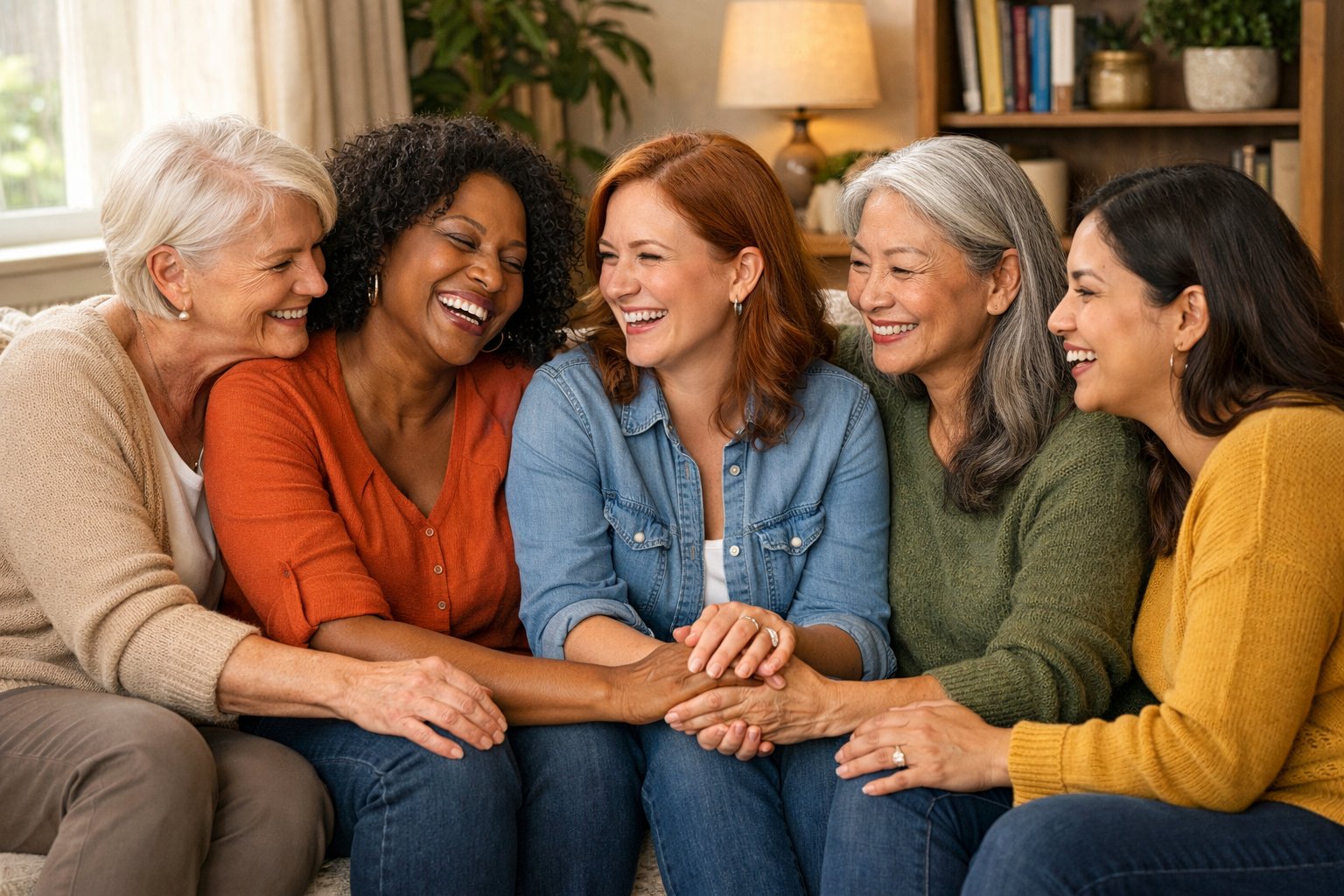
Women with strong friendships live longer, experience lower stress levels, and have reduced risk of cardiovascular disease. These connections shape identity and wellbeing throughout every life stage. From childhood giggles to retirement years, female friends offer constant support through career changes, relationships, motherhood, and loss. The bonds grow stronger as women invest time and vulnerability into these relationships.
Modern life accelerates this shift toward chosen family. More women delay marriage and prioritize careers, which means friendships fill roles traditionally held by spouses or relatives. Whether celebrating a meaningful moment with custom friendship gifts or sharing practical advice through books about female bonds, these relationships deserve recognition. The science behind female friendships reveals why they matter so much and how they transform into lasting family connections.
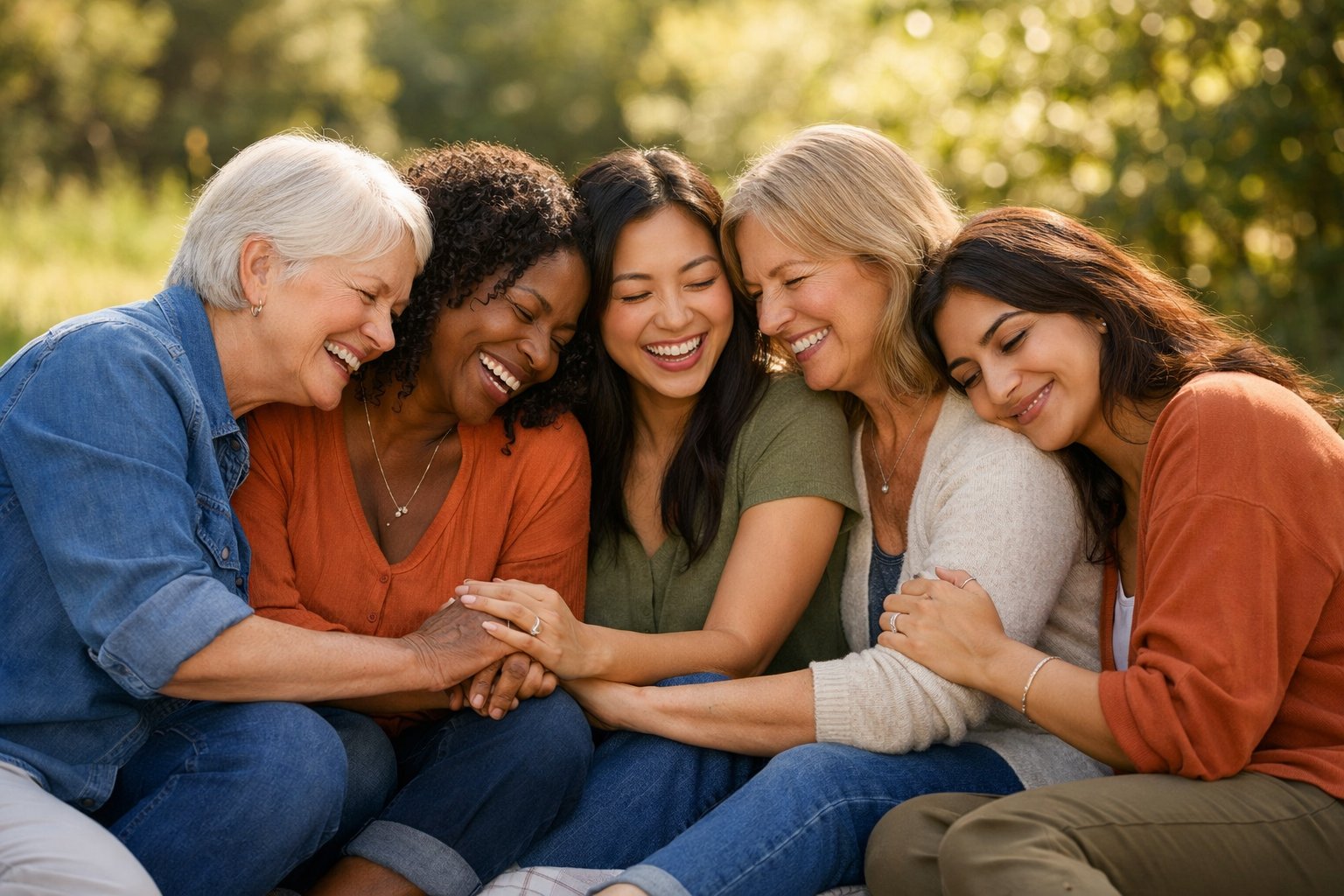
Female friendships build on specific social and psychological patterns that differ from other types of relationships. Women form connections through shared vulnerability, emotional intimacy, and consistent communication that strengthens over time.
Women create social bonds through emotional expression and personal disclosure. These connections start with small conversations that gradually deepen into more meaningful exchanges. A woman might share minor daily frustrations with an acquaintance before eventually discussing deeper fears or dreams.
The quality of these social connections matters more than quantity. Research shows that women prioritize depth over breadth in their friendships. They invest time in fewer relationships rather than maintaining many surface-level connections.
Female friendship develops through regular interaction and shared experiences. Women bond over common interests, life stages, or challenges they face together. These shared moments create a foundation of trust and understanding that grows stronger with each interaction.
Communication style plays a key role in how women connect. They use conversation as a tool for building closeness rather than just exchanging information. This approach creates lasting bonds that feel more like family connections than casual acquaintances.
Close friendships progress through distinct phases that build on each interaction. The initial stage involves casual meetings where women assess compatibility and shared interests. They might meet through work, social events, or mutual friends.
The second phase brings increased contact and deeper conversations. Women begin sharing personal stories and offering support during challenging times. They make plans to spend time together outside their usual meeting places.
The third stage marks true intimacy where friends become essential parts of each other's lives. They know each other's histories, values, and vulnerabilities. These friendships include regular check-ins, celebration of successes, and comfort during difficult periods.
The final stage transforms friendship into chosen family. Women at this level trust each other completely and prioritize the relationship even during busy life phases. They create traditions together and consider each other when making major life decisions. Gift items that celebrate female friendships often mark these meaningful connections.
The brain releases oxytocin during positive social interactions between women. This hormone creates feelings of warmth and connection that reinforce the desire to maintain the friendship. Each positive interaction strengthens this neural pathway.
Women experience reduced stress levels when they spend time with close friends. The psychological benefits include:
Emotional support forms the core of female bonding. Women seek friends who listen without judgment and validate their feelings. This creates a safe space for vulnerability that builds psychological intimacy.
Books about female psychology explore how early childhood experiences shape adult friendship patterns. Girls learn communication and conflict resolution skills through friendships that carry into adulthood. These foundational experiences influence how women form and maintain close connections throughout their lives.
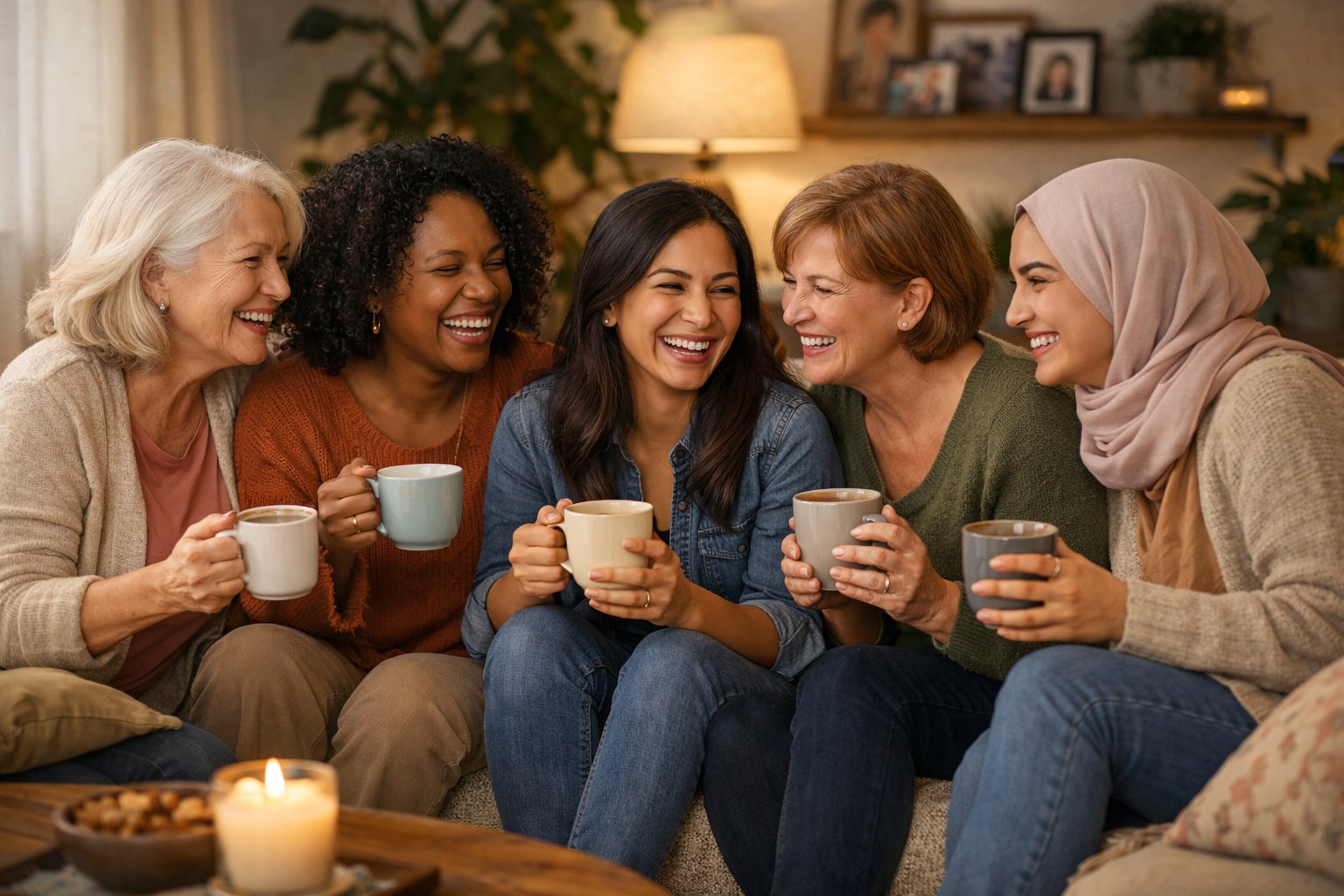
Female friendships evolve into chosen families when women find deeper connection, trust, and support in friends than traditional family structures provide. This transformation happens through shared experiences, consistent presence during life's challenges, and a mutual commitment that mirrors familial bonds.
Chosen family refers to people who provide love, support, and belonging through deliberate connection rather than biological relation. These relationships form when friends take on roles traditionally filled by blood relatives.
The concept of chosen families includes having people around you in daily life who actively provide love and support. Women create these bonds by showing up consistently for each other during hard times and celebrating life's joys together.
The shift from casual friendship to chosen family happens gradually. It builds through years of shared experiences and trust. Women may call these friends first during a crisis or include them in major life decisions.
Key characteristics of chosen family include:
Women increasingly prioritize friendships as they delay marriage, focus on careers, or live far from birth families. Modern society has shifted how women view relationships, with friendships filling roles traditionally held by spouses or relatives.
Biological family connections don't always provide the understanding or acceptance women need. Friends chosen deliberately often share similar values, life experiences, and goals. This alignment creates stronger emotional bonds than family ties based solely on genetics.
Geographic distance from birth families makes chosen families essential. Women who move for education or work build support systems that fill traditional family roles. These friends become the people who help during emergencies, attend important events, and provide daily companionship.
Some women also find their biological families lack emotional safety or acceptance. Chosen families offer unconditional support without judgment or obligation.
The transformation to chosen family requires consistent loyalty over time. Women demonstrate commitment by prioritizing these friendships even when life gets busy or complicated.
Mutual commitment means both people invest equal energy into maintaining the relationship. This includes regular communication, making time for each other, and offering support without keeping score. The bond strengthens when both friends show up repeatedly.
Building deep, meaningful relationships takes time and requires trust and mutual support. Women prove their loyalty through actions like:
This level of commitment creates security and belonging that matches or exceeds traditional family bonds. The relationship becomes a safe space where women can be vulnerable without fear of abandonment or judgment. When you want to celebrate these bonds, consider personalized friendship gifts on Zazzle or find books about female friendship on Amazon that honor these connections.
Female friendships provide a unique form of emotional support that directly impacts stress responses and overall health. Women naturally turn to their friends during difficult times, creating bonds that reduce stress hormones and boost mental resilience.
Women respond to stress differently than men through a biological mechanism called tend-and-befriend. When facing pressure or challenges, women seek out social connections rather than isolating themselves. This response gets reinforced by oxytocin, a hormone that promotes bonding and trust.
Research shows that oxytocin helps reduce cortisol, the body's main stress hormone. When women spend time with close friends, their bodies produce more oxytocin, which creates a calming effect. This biological process makes social interaction not just enjoyable but necessary for managing stress.
Men experience stress differently because testosterone suppresses oxytocin's calming effects. This explains why women often find relief through conversation and connection while men might prefer solitude during stressful periods.
Strong friendships require vulnerability and consistent effort during both good times and hard ones. Women who share personal struggles with trusted friends activate their oxytocin response, which strengthens emotional bonds. These meaningful conversations create deeper connections than surface-level interactions.
Key ways to nurture friendships include:
Many women sacrifice friendship time for work or family obligations. This creates a difficult cycle because the support that could help manage those pressures gets pushed aside. Making friendship a priority, similar to scheduling important appointments, helps maintain these vital relationships.
Women with strong social networks demonstrate greater resilience when facing life's challenges. Female friendships provide emotional validation that helps build confidence and self-worth during difficult periods.
The Harvard Nurses' Health Study found significant health benefits for women who maintained close friendships. Those with strong social connections had lower blood pressure and reduced heart disease risk compared to socially isolated women. The study also revealed a 60% lower chance of premature death among women with solid friend groups.
Social isolation carries serious health consequences. Research indicates that lacking close friendships increases mortality risk as much as smoking or obesity. This makes maintaining meaningful connections a genuine health necessity rather than just a lifestyle preference.
Female friendships deliver measurable improvements in both mental and physical health. Women who regularly engage with close friends experience lower cortisol levels throughout their daily lives. This reduction in stress hormones translates to better sleep, improved immune function, and decreased anxiety.
Studies on female friendship and mental health demonstrate that these relationships provide a buffer against depression and loneliness. Women report feeling more capable of handling challenges when they know they have friends to turn to for support.
Friends also boost self-esteem through encouragement and honest feedback. Having people who celebrate successes and provide comfort during setbacks creates emotional stability. This support system becomes particularly important during major life transitions like career changes, relationship shifts, or health concerns.
Women can strengthen these benefits by prioritizing face-to-face time with friends, even briefly. A personalized friendship gift from Zazzle or spending quality time together reinforces these bonds. Finding books about female friendship on Amazon can also provide inspiration for deepening these connections.
Female friendships deliver measurable improvements to women's lives through deep emotional connections and mutual support. These relationships create protective factors for mental health while building networks that enhance daily experiences and long-term wellbeing.
Women who maintain strong friendships experience a fundamental sense of connection that protects against isolation. This belonging reduces stress and boosts oxytocin, creating biological benefits that extend beyond emotional comfort.
Female friendship circles function as chosen family units. They provide consistent acceptance that isn't dependent on performance or achievement. Women in these relationships report feeling understood without needing to explain themselves constantly.
The protective effect becomes particularly strong during life transitions. When traditional family structures change or shift, friendships fill roles traditionally held by spouses or relatives. Single women, divorced women, and those living far from family rely on these bonds for daily support and emergency backup.
Physical presence matters less than emotional availability. Women who check in regularly, remember important dates, and show up during crises create belonging that rivals biological family ties. This reliability builds trust that deepens year after year, making these friendships irreplaceable parts of women's support systems.
Female friendships thrive on emotional validation and shared perspective. Women communicate differently in these relationships, focusing on personal details and emotional expression rather than just exchanging information. This creates space for vulnerability that strengthens bonds.
Friends who have walked similar paths offer insight that family members sometimes cannot provide. A friend who has experienced divorce, career setbacks, or parenting challenges brings practical wisdom alongside emotional support. She doesn't just sympathize—she truly comprehends the situation.
The emotional support that female friendships provide creates safe environments for processing difficult feelings. Women share fears, doubts, and insecurities with trusted friends, receiving feedback that helps them navigate complex situations. This exchange builds resilience through collective problem-solving.
Regular connection maintains these empathetic bonds. Coffee dates, phone calls, and text exchanges keep friends updated on each other's lives. Women can pick up conversations exactly where they left off, even after months apart, because the foundation of understanding remains solid.
Research demonstrates that strong female friendships contribute to longer, healthier lives with reduced rates of cardiovascular disease. The benefits of female friendships extend beyond emotional wellbeing into measurable physical health outcomes.
Women with robust friendship networks report higher overall life satisfaction scores. These relationships provide regular positive experiences, from shared meals to travel adventures. Friends celebrate achievements together, making successes feel more meaningful and memorable.
Key satisfaction factors include:
Female friendship also correlates with professional success and career prosperity. Women who maintain strong social ties access broader networks, receive more mentorship, and feel confident taking career risks. Friends offer perspective on job changes, salary negotiations, and work-life balance decisions.
Consider celebrating these important relationships with personalized friendship gifts or friendship books that honor the bond. The investment in female friendship pays dividends across every area of life, from mental health to daily happiness levels.
Female friendships provide crucial stability during major shifts like career changes, motherhood, and relocations. These bonds offer emotional support that helps women maintain their identity while adapting to new circumstances.
Close friendships act as anchors when women face significant life transitions. Women turn to their friends for comfort and guidance during periods of uncertainty, creating a safety net that family relationships sometimes cannot provide.
Friends offer what psychologists call "horizontal support" during these shifts. This peer-to-peer connection allows women to share fears and doubts without judgment. When someone starts a new job or moves to a different city, friends validate the complex emotions that come with change.
The most valuable friends during transitions are those who ask questions without offering unsolicited advice. They listen when a woman needs to process her feelings about a major decision. Sending a thoughtful congratulations message or recognizing achievements strengthens these bonds during pivotal moments.
Key ways friends support transitions:
Life transitions often create distance in female friendships when priorities shift dramatically. Research shows that 68% of parents feel lonelier after having a child, with many grieving the loss of their pre-parenthood friendships.
Women without children sometimes struggle to understand the all-consuming nature of parenting. Spontaneous coffee dates get replaced with carefully scheduled meetups. Career promotions can create similar gaps when one friend travels frequently while another maintains a local routine.
The friendships that survive these changes share one trait: flexibility. Friends who actively show curiosity about each other's new realities maintain stronger connections. A simple "I don't fully understand, but I'm here" goes further than trying to relate to experiences that differ vastly.
New mothers often form friendships with other parents at playgrounds or childcare centers. While these bonds provide immediate support, they sometimes overlook other aspects of identity beyond motherhood. Longtime friends serve as living reminders of who a woman was before major life changes.
Physical separation tests even the strongest female friendships. Moving to a new city for work or following a partner creates logistical challenges that strain emotional closeness.
Digital tools help bridge geographic gaps when used intentionally. Voice messages, scheduled video calls, and shared online spaces create touchpoints that maintain intimacy. One woman might send photos of her daily life while another shares podcast recommendations that spark conversation.
The quality of communication matters more than frequency during periods of distance. A meaningful 20-minute video chat every few weeks often strengthens bonds more than daily shallow check-ins. Celebrating academic milestones together or marking achievements helps maintain shared history despite miles apart.
Some friendships naturally fade during distance, and accepting this reality without guilt allows both people to move forward. The connections worth preserving require mutual effort and a willingness to adapt communication styles to fit new circumstances.
Technology has fundamentally changed how women build and maintain friendships, creating new opportunities for connection while demanding more intentional effort. Digital platforms have reshaped social connections in ways that both strengthen bonds and create distance.
Social media platforms allow women to stay connected across distances and life changes. Friends can share daily moments through photos, messages, and video calls without being in the same city or country. Online friendships are now widely accepted as legitimate relationships rather than viewed as unconventional.
However, digital interactions can lack the depth of face-to-face conversations. Quick comments and likes replace longer, more meaningful exchanges. Women may feel connected to dozens of friends online while feeling isolated in their actual lives.
The constant stream of updates can also create comparison and competition. Seeing curated highlights from other women's lives makes it harder to be vulnerable about struggles. Female friendships already face challenges from cultural expectations, and social media can amplify feelings of inadequacy.
Busy schedules make nurturing friendships more difficult than ever. Women juggle careers, family obligations, and personal responsibilities that leave little time for social connections. Digital check-ins often replace in-person time together as friends try to maintain relationships despite packed calendars.
Long-distance friendships rely heavily on technology to survive. Video calls and messaging apps help women stay close even when separated by geography. A personalized friendship journal can help track important moments and conversations across time zones.
The challenge lies in making time feel meaningful rather than transactional. Quick texts between meetings differ from dedicated conversations where both friends feel heard and valued.
Modern friendship requires deliberate planning and commitment. Women need to schedule regular calls, visits, or virtual hangouts just as they would any important appointment. Setting specific times to connect prevents friendships from fading into occasional check-ins.
Creating shared rituals strengthens bonds despite distance or busy lives. Weekly video coffee dates, monthly book clubs, or annual trips give friends consistent touchpoints. Some women use friendship activity books to create meaningful experiences together.
Successful modern friendships include:
Technology works best when it enhances rather than replaces real connection. Women who treat digital tools as bridges to deeper relationships rather than substitutes for them build stronger, lasting friendships.
Women face specific obstacles when maintaining close friendships that function as family, from societal pressures to unspoken competition. These challenges can threaten even the strongest bonds if left unaddressed.
Society teaches women to prioritize others before themselves, which creates tension in female friendships. Women are raised to be self-sacrificing, always putting harmony above their own needs. This makes it hard for them to speak up when something bothers them.
The pressure intensifies when women marry or have children. Many are expected to make their spouse their best friend and focus mainly on family duties. Time for nurturing friendships shrinks as domestic responsibilities pile up.
Women also face expectations of relational intensity in their friendships. They must constantly be available and deeply invested, which becomes exhausting. This creates guilt when they need space or time for themselves, damaging their mental health and the friendship itself.
Limited opportunities in education and careers force women to compete against each other rather than support one another. This scarcity mindset stems from systemic inequality but gets blamed on women themselves. They get labeled as catty or backstabbing without examining why these behaviors emerge.
Women constantly compare themselves to friends in their chosen family. They measure success, appearance, relationships, and achievements against each other. This comparison erodes trust and prevents vulnerability.
The competitive atmosphere makes it harder to celebrate each other's wins. A friend's promotion or happy relationship can trigger insecurity instead of joy. Breaking this pattern requires intentional effort to share resources and adopt an attitude of communal support rather than competition.
Women struggle to establish healthy boundaries in female friendships because saying no feels like betrayal. They worry about seeming selfish or uncaring. This difficulty stems from childhood messages that good women always accommodate others.
Without clear boundaries, resentment builds quietly. One person gives more time, energy, or emotional support than she can sustain. The imbalance continues because neither friend addresses it directly.
Key boundary challenges include:
Learning to set boundaries actually strengthens friendship rather than weakening it. It prevents burnout and creates space for genuine connection instead of obligation.
Many women avoid conflict in their female friendships entirely. They suppress negative feelings to keep the peace, which allows small issues to grow into major problems. Stuffing feelings creates hostility and resentment over time.
When conflict does surface, women may struggle to express their needs clearly. They hint at problems instead of stating them directly. This indirect communication leaves both people confused and hurt.
Some conflicts arise from changes in life circumstances or capacity. One friend enters a demanding career phase while another becomes a parent. Their availability shifts but they never discuss how to adapt the friendship to these new realities.
Addressing conflict requires openness and authenticity. Women must practice stating their feelings without apologizing for having them. They need to listen without immediately defending themselves. This approach protects mental health and allows the friendship to evolve rather than end.
Traditional views of family as blood relatives or married couples no longer capture how many people form their closest bonds. Generational changes and diverse community needs have expanded what family means to include the friends who provide support, care, and belonging.
Policymakers often define family narrowly based on outdated ideas of married couples and biological children. This leaves out important relationships that many people depend on. Younger generations increasingly reject these limited definitions in favor of broader views.
The concept of chosen families has grown as society recognizes different relationship structures. People now openly acknowledge friends as family members without legal or blood ties. Societal norms continue to evolve, making chosen families more accepted and recognized.
Key factors driving this shift include:
Chosen families serve critical functions for groups who face barriers to traditional family structures. LGBTQ+ individuals often build chosen families when biological relatives reject them. Immigrants separated from their home countries rely on friends for support and belonging in new places.
Female migrants have found friendship becomes an alternate avenue for support when formal systems fail them. These bonds provide emotional security and practical help that blood relatives cannot always offer.
People without nearby biological family members need chosen families for daily life. They create networks that function like traditional families through shared holidays, emergency contact roles, and long-term commitment. Personalized friendship gifts from Zazzle or meaningful books about friendship bonds help celebrate these important relationships.
Building deep female friendships requires deliberate effort in three key areas: establishing trust through consistent actions, maintaining connections with purposeful habits, and using relationships as catalysts for personal development.
Trust forms the foundation of any strong female friendship that becomes family. Women build this trust through reliability, showing up during difficult times and celebrating victories together.
Loyalty develops when friends protect each other's vulnerabilities. This means keeping confidences private and defending each other when not present. Women who share personal struggles create deeper bonds than those who only show polished versions of their lives.
Consistency matters more than grand gestures. Regular check-ins, remembering important dates, and following through on promises demonstrate commitment. When friends prove themselves dependable over months and years, the relationship transforms from casual to essential.
Friendships require more intention as life evolves, making deliberate practices essential for maintenance. Scheduling regular connection times prevents relationships from fading due to busy schedules.
Key practices include:
Women can strengthen bonds by using tools like personalized friendship gifts that celebrate inside jokes or shared memories. Friendship journals from Amazon help document meaningful moments and track the relationship's growth.
Digital tools help maintain social connections across distances, but face-to-face interactions create stronger neural bonds and release more oxytocin.
Female friendships serve as mirrors for self-improvement and accountability partners for goals. Friends challenge unhealthy patterns while providing safe spaces to explore new identities and beliefs.
Women often adopt positive habits from their closest friends. One friend's career ambition can inspire another's professional development. A friend's healthy boundary-setting can model better relationship skills.
Constructive feedback from trusted friends carries more weight than from acquaintances. These relationships allow for difficult conversations about blind spots or concerning behaviors. The security of knowing the friendship will survive honest communication enables personal growth that might not happen otherwise.
Friends also expand worldviews by introducing different perspectives, cultures, and experiences. This exposure builds empathy and broadens understanding, contributing to overall wellbeing and emotional intelligence.
Female friendships leave lasting impressions that shape women's lives across decades. These bonds adapt through major life changes while maintaining their core strength and importance.
Women's friendships evolve through distinct phases as they age. Young women often form intense bonds during adolescence as they explore their identities together. These early connections teach communication skills and conflict resolution that last a lifetime.
Adult friendships shift focus as women balance careers, romantic relationships, and family obligations. Close friendships during this period often center on shared experiences like parenting or career challenges. Women who maintain strong social connections during adulthood show lower rates of depression and anxiety.
Later-life female friendships become more relaxed and accepting. Older women prioritize emotional connection over social obligations. These relationships provide vital companionship and support, especially for those who live far from family or have lost spouses.
Research shows that women with strong friendship networks live longer and have better cardiovascular health. The benefits of female friendships accumulate over time, making them essential for wellbeing at every age.
Long-term female friendships create shared histories that no other relationship can replicate. Women who stay friends for decades develop a unique understanding of each other's growth and changes. They witness each other's triumphs and struggles firsthand.
These enduring bonds often become chosen family for many women. Friends fill roles traditionally held by relatives, offering support during illness, celebrating milestones, and providing daily companionship. This shift reflects changing social structures where women delay marriage or live far from biological family.
Lifelong friendships require effort and adaptation. Women must navigate geographic distance, lifestyle changes, and evolving priorities. Those who succeed often share core values and make intentional efforts to stay connected.
Key elements of lasting friendship include:
Many women find that friendship memorabilia helps preserve memories of their closest relationships. Photo albums and keepsakes document years of shared experiences.
Women often wonder how their friendships transform into bonds that feel as strong as family connections and what makes these relationships so powerful in their lives.
Female friendships develop into family-like relationships through consistent presence during major life events and ongoing emotional support. When friends show up repeatedly during both celebrations and hardships, the relationship deepens beyond casual connection. Time spent together creates a shared history that mirrors the continuity found in family relationships.
The transformation happens gradually as friends move from surface-level interactions to deeper vulnerability. Women who share their fears, dreams, and authentic struggles build trust that strengthens the bond. These friendships that feel like family connections often develop when biological family relationships are strained or geographically distant.
Regular communication and intentional effort maintain these bonds across different life stages. Friends who prioritize staying connected despite busy schedules demonstrate commitment that mirrors family dedication.
Mutual effort stands as the foundation of lasting female friendships. Both people need to invest time and energy into maintaining the connection through life's changes. A 2023 systematic review found that feeling like you matter to each other predicts wellbeing in adult friendships.
Shared values and life goals help friends stay aligned even when circumstances change. Women who support each other's growth rather than competing create resilient bonds. The ability to navigate conflict constructively prevents small disagreements from ending valuable relationships.
The intensity and quality of friendships both matter for relationship satisfaction. Seeing friends regularly strengthens the connection, while feeling satisfied with the relationship quality maintains emotional closeness. Custom friendship celebration gifts can mark important milestones in these long-term relationships.
Friends offer chosen relationships based on compatibility rather than obligation. This freedom creates space for authentic connection without the complicated dynamics that sometimes exist in biological families. Women can be completely themselves with chosen friends without fear of judgment rooted in childhood patterns.
Female friends often understand current life stages better than family members from different generations. A friend experiencing similar career challenges or parenting struggles provides relevant perspective that parents or siblings may not grasp. This peer understanding creates practical support that directly applies to present circumstances.
Friends provide emotional safety nets when family relationships feel strained or unsupportive. Women whose families don't accept certain aspects of their identity often find unconditional acceptance in friendship circles. These chosen family relationships become essential support systems that fill gaps left by biological connections.
Shared experiences create common ground that strengthens emotional bonds between women. Going through significant life events together builds a foundation of memories that define the friendship. Activities like traveling, taking classes, or working on projects side by side generate stories and inside jokes that become relationship touchstones.
Experiencing challenges together often deepens friendships more than positive moments alone. Supporting each other through breakups, job losses, or health scares creates intimacy based on vulnerability. Women who witness each other's struggles and triumphs develop trust that casual friendships never achieve.
Regular shared activities maintain connection through different life phases. Weekly coffee dates, monthly book clubs, or annual trips provide consistent touchpoints. Friendship journals can help document these shared memories and reflections over time.
Modern society increasingly recognizes that friendships often take on new importance as women delay marriage and focus on careers. This cultural shift validates chosen family structures and reduces pressure to prioritize romantic relationships above all else. Women feel more comfortable investing deeply in friendships when society acknowledges their significance.
However, workplace and family obligations still push female friendships to the bottom of priority lists despite their benefits. Cultural expectations that women should "have it together" make it harder to carve out time for friends. This contradiction means the relationships that could help women cope are often sacrificed first.
Greater recognition of chosen family in legal and social contexts provides practical benefits. Some workplaces now offer bereavement leave for close friends, acknowledging these relationships as legitimate. This societal validation helps women feel less guilty about prioritizing friendship time alongside family commitments.
Strong female friendships reduce stress and boost oxytocin, the bonding hormone that promotes feelings of connection and wellbeing. These relationships contribute to longer, healthier lives through both emotional support and practical help. Research from 2019 found that positive social relationships correlate strongly with healthy self-esteem.
Quality friendships serve as reliable predictors of overall wellbeing in adults. A 2018 study showed that both friendship intensity and satisfaction with these relationships were positively associated with life satisfaction. Women with strong friend networks report better mental health outcomes than those without close connections.
These bonds provide emotional resilience during difficult periods. Having trusted friends to confide in helps women process challenges and maintain perspective. The reciprocal nature of support in these relationships creates a sense of purpose and belonging that protects against loneliness and depression.